On Sat, 2 Oct 2021 11:23:10 -0800, RonTheGuy <
[email protected]d> wrote:
When the electrical power goes out, I have to charge my phone by turning the >car on to the accessory position which isn't likely good for the car's >electronics.
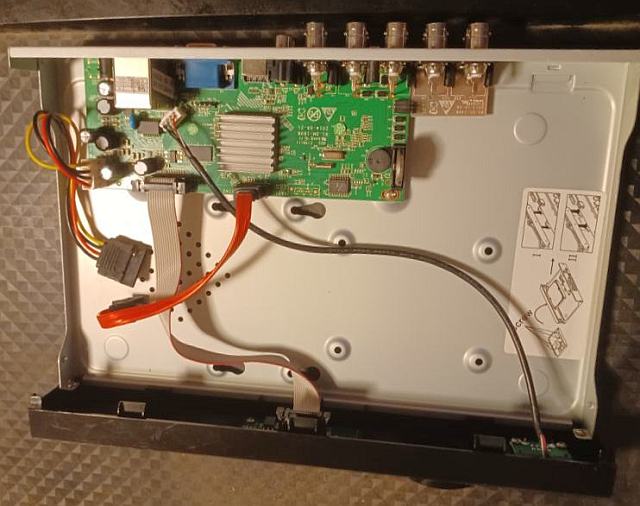
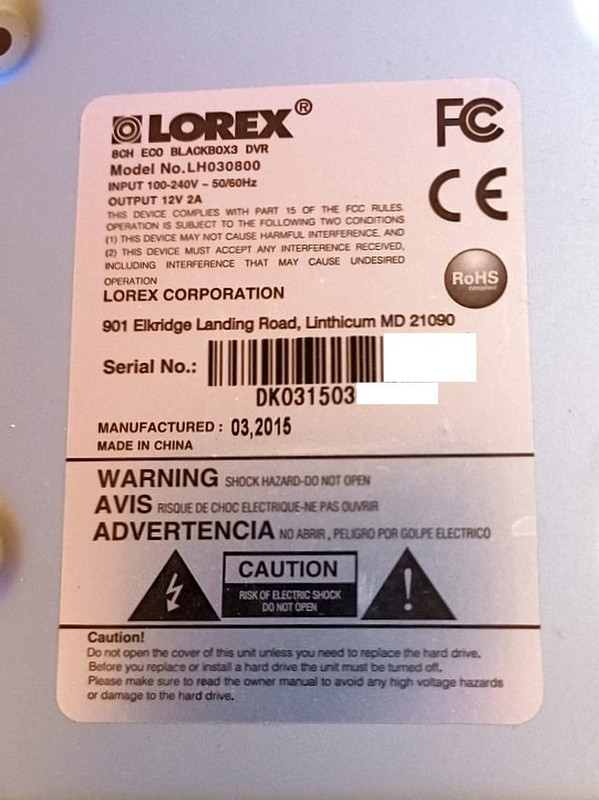
In my spare parts box is a Lorex DVR Model #LH030800 (mfg 3/2015) with no >power cord. The power receptacle at back seems to be the typical round
center positive 12VDC input though, which may work off a spare car battery.
It even has an RS485 in back with the plus and minus well marked.
The DVR has two USB type A receptacles, one in back and one in front.
Do you think if I craft a suitable power cable with clips fitting a 13 to >15VDC (nominally 13.8VDC) car battery that this spare DVR can serve as an >emergency phone charger when the electrical power goes out?
Ron, the humblest guy in town.
It will work with your charger just fine. Just make sure that the
Lorex DVR power supply has the + on the center pin, and the - on outer
sleeve. Acceptable voltage range for automobiles can be anything
between roughly 11 to 16V (or more) so you're not going to blow up the cigarette igniter to USB adapter.
The problem is how to connect the Lorex power supply plug to the USB
adapter. Several ways:
1. The right way. Purchase a cigarette igniter connector with a
wired pigtail. Something like this: <
https://powerwerx.com/automotive-cigarette-lighter-socket-fused-bare-wire>
2. If you don't have a connector or adapter, wrap a 3/4" dia hose
clamp around the USB adapter. Make sure you have an electrical
connection to the adapter ground connection. Connect a red alligator
clip lead between the center pin of the DVR power supply and the
center pin of the USB adapter. Connect a black alligator clip lead
between the outer ground connection on the USB adapter, to the ground
sleeve on the DVR power supply plug. If the wires move or fall out,
hold them in place with some kind of tape. I've done it this way more
times than I care to admit.
3. Buy a 120V to 5V USB adapter: <
https://www.ebay.com/sch/i.html?_nkw=120v+to+5v+usb+adapter>
4. Buy a charging station with USB A connectors and a pile of
charging cables. Since I don't know what type of phone you have, I
can't determine if you need micro-USB, USB-C, Lightning, fast charge,
etc.
5. If your unspecified model phone uses one of the fast charging
options, such as QC-3.0 or Power Delivery 2 or 3, buy a quick charger
and cable. The higher currents these cables use mean that the cables
should be able to work at higher currents. I kinda like Anker power
supplies (because unlike some others, they didn't die after a few
months use). <
https://www.target.com/p/anker-2-port-powerport-25-5w-power-delivery-wall-charger-with-3-39-powerline-select-lightning-to-usb-c-cable-white/-/A-76625604>
(There are smaller cheaper models available).
Note: We went through multiple cycles of power outages in my area
while PG&E repaired the power lines and circuit breakers so that they
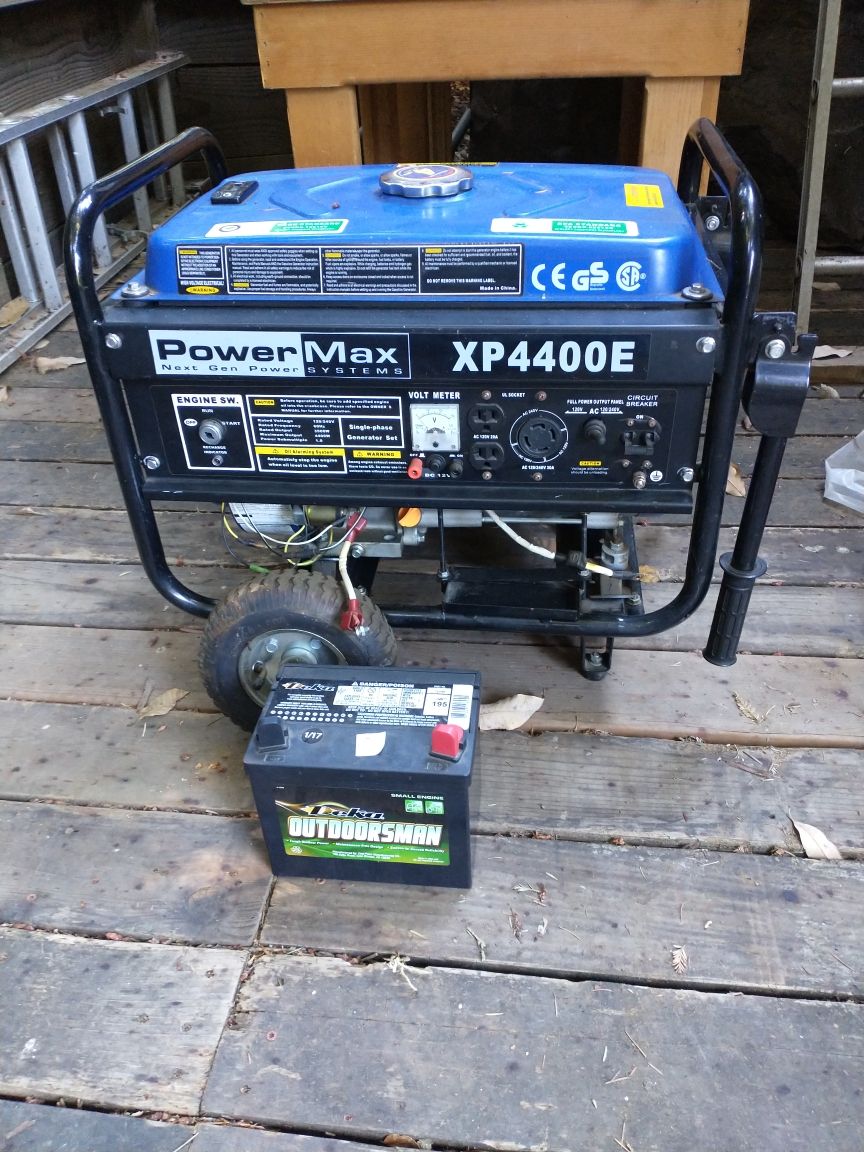
would not start another fire. Although I have two gasoline
generators, I prefer not to run them just for low power applications,
like charging batteries. I also don't like the noise. So, I keep
several large 12V AGM stationary batteries on float chargers. When I
need to charge the phones, I take the USB car chargers and cables and
connect them to the batteries with clipleads (method #2). It was
kinda messy, but did the job.
--
Jeff Liebermann
[email protected]
PO Box 272
http://www.LearnByDestroying.com
Ben Lomond CA 95005-0272
Skype: JeffLiebermann AE6KS 831-336-2558
--- SoupGate-Win32 v1.05
* Origin: fsxNet Usenet Gateway (21:1/5)