As Covid-19 Continues to Spread, So Does Misinformation About It (N YTimes)year’s vaccine rollout fueled another wave of unfounded alarm. Now, in addition to all the claims still being bandied about, there are conspiracy theories about the long-term effects of the treatments, researchers say.
Doctors are exasperated by the persistence of
false and misleading claims about the virus.
- The constant barrage of bad information about Covid-19 has made it increasingly
- difficult for accurate advice to break through, misinformation researchers say.
Nearly three years into the pandemic, Covid-19 remains stubbornly persistent. So, too, does misinformation about the virus.
As Covid cases, hospitalizations and deaths rise in parts of the country, myths and misleading narratives continue to evolve and spread, exasperating overburdened doctors and evading content moderators.
What began in 2020 as rumors that cast doubt on the existence or seriousness of Covid quickly evolved into often outlandish claims about dangerous technology lurking in masks and the supposed miracle cures from unproven drugs, like ivermectin. Last
The ideas still thrive on social media platforms, and the constant barrage, now a yearslong accumulation, has made it increasingly difficult for accurate advice to break through, misinformation researchers say. That leaves people already suffering frompandemic fatigue to become further inured to Covid’s continuing dangers and susceptible to other harmful medical content.
“It’s easy to forget that health misinformation, including about Covid, can still contribute to people not getting vaccinated or creating stigmas,” said Megan Marrelli, the editorial director of Meedan, a nonprofit focused on digital literacy andinformation access. “We know for a fact that health misinformation contributes to the spread of real-world disease.”
Twitter is of particular concern for researchers. The company recently gutted the teams responsible for keeping dangerous or inaccurate material in check on the platform, stopped enforcing its Covid misinformation policy and began basing some contentmoderation decisions on public polls posted by its new owner and chief executive, the billionaire Elon Musk.
From Nov. 1 to Dec. 5, Australian researchers collected more than half a million conspiratorial and misleading English-language tweets about Covid, using terms such as “deep state,” “hoax” and “bioweapon.” The tweets drew more than 1.6million likes and 580,000 retweets.
The researchers said the volume of toxic material surged late last month with the release of a film that included baseless claims that Covid vaccines set off “the greatest orchestrated die-off in the history of the world.”content that had been common on the platform in 2015 and 2016. From January 2020 to September 2022, Twitter suspended more than 11,000 accounts over violations of its Covid misinformation policy.
Naomi Smith, a sociologist at Federation University Australia who helped conduct the research with Timothy Graham, a digital media expert at Queensland University of Technology, said Twitter’s misinformation policies helped tamp down anti-vaccination
Now, Dr. Smith said, the protective barriers are “falling over in real time, which is both interesting as an academic and absolutely terrifying.”any work to find that information — it is presented in your feed with any other types of information.”
“Pre-Covid, people who believed in medical misinformation were generally just talking to each other, contained within their own little bubble, and you had to go and do a bit of work to find that bubble,” she said. “But now, you don’t have to do
Several prominent Twitter accounts that had been suspended for spreading unfounded claims about Covid have were reinstated in recent weeks, including those of Representative Marjorie Taylor Greene, a Georgia Republican, and Robert Malone, a vaccineskeptic.
Mr. Musk himself has used Twitter to weigh in on the pandemic, predicting in March 2020 that the United States was likely to have “close to zero new cases” by the end of that April. (More than 100,000 positive tests were reported to the Centers forDisease Control and Prevention in the last week of the month.) This month, he took aim at Dr. Anthony S. Fauci, who will soon step down as President Biden’s top medical adviser and the longtime director of the National Institute of Allergy and
Twitter did not respond to a request for comment. Other major social platforms, including TikTok and YouTube, said last week that they remained committed to combating Covid misinformation.4,500 words long. TikTok said it had removed more than 250,000 videos for Covid misinformation and worked with partners such as its content advisory council to develop its policies and enforcement strategies. (Mr. Musk disbanded Twitter’s advisory
YouTube prohibits content — including videos, comments and links — about vaccines and Covid-19 that contradicts recommendations from the local health authorities or the World Health Organization. Facebook’s policy on Covid-19 content is more than
But the platforms have struggled to enforce their Covid rules.to recommendations for “walk-in covid vaccine” and “types of covid vaccines.” One search on TikTok for “mRNA vaccine” brought up five videos containing false claims within the first 10 results, according to researchers. TikTok said in a
Newsguard, an organization that tracks online misinformation, found this fall that typing “covid vaccine” into TikTok caused it to suggest searches for “covid vaccine injury” and “covid vaccine warning,” while the same query on Google led
In years past, people would get medical advice from neighbors, or try to self-diagnose via Google search, said Dr. Anish Agarwal, an emergency physician in Philadelphia. Now, years into the pandemic, he still gets patients who believe “crazy”claims on social media that Covid vaccines will insert robots into their arms.
“We battle that every single day,” said Dr. Agarwal, who teaches at the University of Pennsylvania’s Perelman School of Medicine and serves as deputy director of Penn Medicine’s Center for Digital Health.related social media habits of different populations.
Online and offline discussions of the coronavirus are constantly shifting, with patients bringing him questions lately about booster shots and long Covid, Dr. Agarwal said. He has a grant from the National Institutes of Health to study the Covid-
“Moving forward, understanding our behaviors and thoughts around Covid will probably also shine light on how individuals interact with other health information on social media, how we can actually use social media to combat misinformation,” he said.unconstitutional infringement of free speech. Tech companies including Meta, Google and Twitter have faced lawsuits this year from people who were barred over Covid misinformation and claim that the companies overreached in their content moderation
Years of lies and rumors about Covid have had a contagion effect, damaging public acceptance of all vaccines, said Heidi J. Larson, the director of the Vaccine Confidence Project at the London School of Hygiene & Tropical Medicine.
“The Covid rumors are not going to go away — they’re going to get repurposed, and they’re going to adapt,” she said. “We can’t delete this. No one company can fix this.”
Some efforts to slow the spread of misinformation about the virus have bumped up against First Amendment concerns.
A law that California passed several months ago, and that is set to take effect next month, would punish doctors for spreading false information about Covid vaccines. It already faces legal challenges from plaintiffs who describe the regulation as an
Dr. Graham Walker, an emergency physician in San Francisco, said the rumors spreading online about the pandemic drove him and many of his colleagues to social media to try to correct inaccuracies. He has posted several Twitter threads with more than ahundred evidence-packed tweets trying to debunk misinformation about the coronavirus.
But this year, he said he felt increasingly defeated by the onslaught of toxic content about a variety of medical issues. He left Twitter after the company abandoned its Covid misinformation policy.available treatments is at least partly responsible, he said.
“I began to think that this was not a winning battle,” he said. “It doesn’t feel like a fair fight.”
Now, Dr. Walker said, he is watching as a “tripledemic” of Covid-19, R.S.V. and influenza bombards the health care system, causing emergency room waits in some hospitals to surge from less than an hour to six hours. Misinformation about easily
“If we had a larger uptick in vaccinations with the most recent vaccines, we probably would have a smaller number of people getting extremely ill with Covid, and that’s certainly going to make a dent in hospitalization numbers,” he said. “Honestly, at this point, we will take any dent we can get.”
__________________
On 12/28/2022 10:40 AM, VegasJerry wrote:year’s vaccine rollout fueled another wave of unfounded alarm. Now, in addition to all the claims still being bandied about, there are conspiracy theories about the long-term effects of the treatments, researchers say.
As Covid-19 Continues to Spread, So Does Misinformation About It (N YTimes)
Doctors are exasperated by the persistence of
false and misleading claims about the virus.
- The constant barrage of bad information about Covid-19 has made it increasingly
- difficult for accurate advice to break through, misinformation researchers say.
Nearly three years into the pandemic, Covid-19 remains stubbornly persistent. So, too, does misinformation about the virus.
As Covid cases, hospitalizations and deaths rise in parts of the country, myths and misleading narratives continue to evolve and spread, exasperating overburdened doctors and evading content moderators.
What began in 2020 as rumors that cast doubt on the existence or seriousness of Covid quickly evolved into often outlandish claims about dangerous technology lurking in masks and the supposed miracle cures from unproven drugs, like ivermectin. Last
from pandemic fatigue to become further inured to Covid’s continuing dangers and susceptible to other harmful medical content.The ideas still thrive on social media platforms, and the constant barrage, now a yearslong accumulation, has made it increasingly difficult for accurate advice to break through, misinformation researchers say. That leaves people already suffering
and information access. “We know for a fact that health misinformation contributes to the spread of real-world disease.”“It’s easy to forget that health misinformation, including about Covid, can still contribute to people not getting vaccinated or creating stigmas,” said Megan Marrelli, the editorial director of Meedan, a nonprofit focused on digital literacy
moderation decisions on public polls posted by its new owner and chief executive, the billionaire Elon Musk.Twitter is of particular concern for researchers. The company recently gutted the teams responsible for keeping dangerous or inaccurate material in check on the platform, stopped enforcing its Covid misinformation policy and began basing some content
million likes and 580,000 retweets.From Nov. 1 to Dec. 5, Australian researchers collected more than half a million conspiratorial and misleading English-language tweets about Covid, using terms such as “deep state,” “hoax” and “bioweapon.” The tweets drew more than 1.6
vaccination content that had been common on the platform in 2015 and 2016. From January 2020 to September 2022, Twitter suspended more than 11,000 accounts over violations of its Covid misinformation policy.The researchers said the volume of toxic material surged late last month with the release of a film that included baseless claims that Covid vaccines set off “the greatest orchestrated die-off in the history of the world.”
Naomi Smith, a sociologist at Federation University Australia who helped conduct the research with Timothy Graham, a digital media expert at Queensland University of Technology, said Twitter’s misinformation policies helped tamp down anti-
do any work to find that information — it is presented in your feed with any other types of information.”Now, Dr. Smith said, the protective barriers are “falling over in real time, which is both interesting as an academic and absolutely terrifying.”
“Pre-Covid, people who believed in medical misinformation were generally just talking to each other, contained within their own little bubble, and you had to go and do a bit of work to find that bubble,” she said. “But now, you don’t have to
skeptic.Several prominent Twitter accounts that had been suspended for spreading unfounded claims about Covid have were reinstated in recent weeks, including those of Representative Marjorie Taylor Greene, a Georgia Republican, and Robert Malone, a vaccine
for Disease Control and Prevention in the last week of the month.) This month, he took aim at Dr. Anthony S. Fauci, who will soon step down as President Biden’s top medical adviser and the longtime director of the National Institute of Allergy andMr. Musk himself has used Twitter to weigh in on the pandemic, predicting in March 2020 that the United States was likely to have “close to zero new cases” by the end of that April. (More than 100,000 positive tests were reported to the Centers
than 4,500 words long. TikTok said it had removed more than 250,000 videos for Covid misinformation and worked with partners such as its content advisory council to develop its policies and enforcement strategies. (Mr. Musk disbanded Twitter’s advisoryTwitter did not respond to a request for comment. Other major social platforms, including TikTok and YouTube, said last week that they remained committed to combating Covid misinformation.
YouTube prohibits content — including videos, comments and links — about vaccines and Covid-19 that contradicts recommendations from the local health authorities or the World Health Organization. Facebook’s policy on Covid-19 content is more
to recommendations for “walk-in covid vaccine” and “types of covid vaccines.” One search on TikTok for “mRNA vaccine” brought up five videos containing false claims within the first 10 results, according to researchers. TikTok said in aBut the platforms have struggled to enforce their Covid rules.
Newsguard, an organization that tracks online misinformation, found this fall that typing “covid vaccine” into TikTok caused it to suggest searches for “covid vaccine injury” and “covid vaccine warning,” while the same query on Google led
claims on social media that Covid vaccines will insert robots into their arms.In years past, people would get medical advice from neighbors, or try to self-diagnose via Google search, said Dr. Anish Agarwal, an emergency physician in Philadelphia. Now, years into the pandemic, he still gets patients who believe “crazy”
related social media habits of different populations.“We battle that every single day,” said Dr. Agarwal, who teaches at the University of Pennsylvania’s Perelman School of Medicine and serves as deputy director of Penn Medicine’s Center for Digital Health.
Online and offline discussions of the coronavirus are constantly shifting, with patients bringing him questions lately about booster shots and long Covid, Dr. Agarwal said. He has a grant from the National Institutes of Health to study the Covid-
said.“Moving forward, understanding our behaviors and thoughts around Covid will probably also shine light on how individuals interact with other health information on social media, how we can actually use social media to combat misinformation,” he
unconstitutional infringement of free speech. Tech companies including Meta, Google and Twitter have faced lawsuits this year from people who were barred over Covid misinformation and claim that the companies overreached in their content moderationYears of lies and rumors about Covid have had a contagion effect, damaging public acceptance of all vaccines, said Heidi J. Larson, the director of the Vaccine Confidence Project at the London School of Hygiene & Tropical Medicine.
“The Covid rumors are not going to go away — they’re going to get repurposed, and they’re going to adapt,” she said. “We can’t delete this. No one company can fix this.”
Some efforts to slow the spread of misinformation about the virus have bumped up against First Amendment concerns.
A law that California passed several months ago, and that is set to take effect next month, would punish doctors for spreading false information about Covid vaccines. It already faces legal challenges from plaintiffs who describe the regulation as an
a hundred evidence-packed tweets trying to debunk misinformation about the coronavirus.Dr. Graham Walker, an emergency physician in San Francisco, said the rumors spreading online about the pandemic drove him and many of his colleagues to social media to try to correct inaccuracies. He has posted several Twitter threads with more than
available treatments is at least partly responsible, he said.But this year, he said he felt increasingly defeated by the onslaught of toxic content about a variety of medical issues. He left Twitter after the company abandoned its Covid misinformation policy.
“I began to think that this was not a winning battle,” he said. “It doesn’t feel like a fair fight.”
Now, Dr. Walker said, he is watching as a “tripledemic” of Covid-19, R.S.V. and influenza bombards the health care system, causing emergency room waits in some hospitals to surge from less than an hour to six hours. Misinformation about easily
Honestly, at this point, we will take any dent we can get.”“If we had a larger uptick in vaccinations with the most recent vaccines, we probably would have a smaller number of people getting extremely ill with Covid, and that’s certainly going to make a dent in hospitalization numbers,” he said. “
__________________Answer one question, how many people with the "regular" flu shot get the flu?
On Wednesday, December 28, 2022 at 11:55:43 AM UTC-5, da pickle wrote:year’s vaccine rollout fueled another wave of unfounded alarm. Now, in addition to all the claims still being bandied about, there are conspiracy theories about the long-term effects of the treatments, researchers say.
On 12/28/2022 10:40 AM, VegasJerry wrote:
As Covid-19 Continues to Spread, So Does Misinformation About It (N YTimes) >>>
Doctors are exasperated by the persistence of
false and misleading claims about the virus.
- The constant barrage of bad information about Covid-19 has made it increasingly
- difficult for accurate advice to break through, misinformation researchers say.
Nearly three years into the pandemic, Covid-19 remains stubbornly persistent. So, too, does misinformation about the virus.
As Covid cases, hospitalizations and deaths rise in parts of the country, myths and misleading narratives continue to evolve and spread, exasperating overburdened doctors and evading content moderators.
What began in 2020 as rumors that cast doubt on the existence or seriousness of Covid quickly evolved into often outlandish claims about dangerous technology lurking in masks and the supposed miracle cures from unproven drugs, like ivermectin. Last
from pandemic fatigue to become further inured to Covid’s continuing dangers and susceptible to other harmful medical content.
The ideas still thrive on social media platforms, and the constant barrage, now a yearslong accumulation, has made it increasingly difficult for accurate advice to break through, misinformation researchers say. That leaves people already suffering
and information access. “We know for a fact that health misinformation contributes to the spread of real-world disease.”
“It’s easy to forget that health misinformation, including about Covid, can still contribute to people not getting vaccinated or creating stigmas,” said Megan Marrelli, the editorial director of Meedan, a nonprofit focused on digital literacy
moderation decisions on public polls posted by its new owner and chief executive, the billionaire Elon Musk.
Twitter is of particular concern for researchers. The company recently gutted the teams responsible for keeping dangerous or inaccurate material in check on the platform, stopped enforcing its Covid misinformation policy and began basing some content
million likes and 580,000 retweets.
From Nov. 1 to Dec. 5, Australian researchers collected more than half a million conspiratorial and misleading English-language tweets about Covid, using terms such as “deep state,” “hoax” and “bioweapon.” The tweets drew more than 1.6
vaccination content that had been common on the platform in 2015 and 2016. From January 2020 to September 2022, Twitter suspended more than 11,000 accounts over violations of its Covid misinformation policy.
The researchers said the volume of toxic material surged late last month with the release of a film that included baseless claims that Covid vaccines set off “the greatest orchestrated die-off in the history of the world.”
Naomi Smith, a sociologist at Federation University Australia who helped conduct the research with Timothy Graham, a digital media expert at Queensland University of Technology, said Twitter’s misinformation policies helped tamp down anti-
do any work to find that information — it is presented in your feed with any other types of information.”
Now, Dr. Smith said, the protective barriers are “falling over in real time, which is both interesting as an academic and absolutely terrifying.”
“Pre-Covid, people who believed in medical misinformation were generally just talking to each other, contained within their own little bubble, and you had to go and do a bit of work to find that bubble,” she said. “But now, you don’t have to
skeptic.
Several prominent Twitter accounts that had been suspended for spreading unfounded claims about Covid have were reinstated in recent weeks, including those of Representative Marjorie Taylor Greene, a Georgia Republican, and Robert Malone, a vaccine
for Disease Control and Prevention in the last week of the month.) This month, he took aim at Dr. Anthony S. Fauci, who will soon step down as President Biden’s top medical adviser and the longtime director of the National Institute of Allergy and
Mr. Musk himself has used Twitter to weigh in on the pandemic, predicting in March 2020 that the United States was likely to have “close to zero new cases” by the end of that April. (More than 100,000 positive tests were reported to the Centers
than 4,500 words long. TikTok said it had removed more than 250,000 videos for Covid misinformation and worked with partners such as its content advisory council to develop its policies and enforcement strategies. (Mr. Musk disbanded Twitter’s advisory
Twitter did not respond to a request for comment. Other major social platforms, including TikTok and YouTube, said last week that they remained committed to combating Covid misinformation.
YouTube prohibits content — including videos, comments and links — about vaccines and Covid-19 that contradicts recommendations from the local health authorities or the World Health Organization. Facebook’s policy on Covid-19 content is more
to recommendations for “walk-in covid vaccine” and “types of covid vaccines.” One search on TikTok for “mRNA vaccine” brought up five videos containing false claims within the first 10 results, according to researchers. TikTok said in a
But the platforms have struggled to enforce their Covid rules.
Newsguard, an organization that tracks online misinformation, found this fall that typing “covid vaccine” into TikTok caused it to suggest searches for “covid vaccine injury” and “covid vaccine warning,” while the same query on Google led
claims on social media that Covid vaccines will insert robots into their arms. >>>
In years past, people would get medical advice from neighbors, or try to self-diagnose via Google search, said Dr. Anish Agarwal, an emergency physician in Philadelphia. Now, years into the pandemic, he still gets patients who believe “crazy”
related social media habits of different populations.“We battle that every single day,” said Dr. Agarwal, who teaches at the University of Pennsylvania’s Perelman School of Medicine and serves as deputy director of Penn Medicine’s Center for Digital Health.
Online and offline discussions of the coronavirus are constantly shifting, with patients bringing him questions lately about booster shots and long Covid, Dr. Agarwal said. He has a grant from the National Institutes of Health to study the Covid-
said.
“Moving forward, understanding our behaviors and thoughts around Covid will probably also shine light on how individuals interact with other health information on social media, how we can actually use social media to combat misinformation,” he
unconstitutional infringement of free speech. Tech companies including Meta, Google and Twitter have faced lawsuits this year from people who were barred over Covid misinformation and claim that the companies overreached in their content moderation
Years of lies and rumors about Covid have had a contagion effect, damaging public acceptance of all vaccines, said Heidi J. Larson, the director of the Vaccine Confidence Project at the London School of Hygiene & Tropical Medicine.
“The Covid rumors are not going to go away — they’re going to get repurposed, and they’re going to adapt,” she said. “We can’t delete this. No one company can fix this.”
Some efforts to slow the spread of misinformation about the virus have bumped up against First Amendment concerns.
A law that California passed several months ago, and that is set to take effect next month, would punish doctors for spreading false information about Covid vaccines. It already faces legal challenges from plaintiffs who describe the regulation as an
a hundred evidence-packed tweets trying to debunk misinformation about the coronavirus.
Dr. Graham Walker, an emergency physician in San Francisco, said the rumors spreading online about the pandemic drove him and many of his colleagues to social media to try to correct inaccuracies. He has posted several Twitter threads with more than
available treatments is at least partly responsible, he said.
But this year, he said he felt increasingly defeated by the onslaught of toxic content about a variety of medical issues. He left Twitter after the company abandoned its Covid misinformation policy.
“I began to think that this was not a winning battle,” he said. “It doesn’t feel like a fair fight.”
Now, Dr. Walker said, he is watching as a “tripledemic” of Covid-19, R.S.V. and influenza bombards the health care system, causing emergency room waits in some hospitals to surge from less than an hour to six hours. Misinformation about easily
Honestly, at this point, we will take any dent we can get.”
“If we had a larger uptick in vaccinations with the most recent vaccines, we probably would have a smaller number of people getting extremely ill with Covid, and that’s certainly going to make a dent in hospitalization numbers,” he said. “
__________________Answer one question, how many people with the "regular" flu shot get the
flu?
Don't confuse Jerry (Nazi) in Vegas with facts
On 12/28/2022 10:59 AM, BTSinAustin wrote:year’s vaccine rollout fueled another wave of unfounded alarm. Now, in addition to all the claims still being bandied about, there are conspiracy theories about the long-term effects of the treatments, researchers say.
On Wednesday, December 28, 2022 at 11:55:43 AM UTC-5, da pickle wrote:
On 12/28/2022 10:40 AM, VegasJerry wrote:
As Covid-19 Continues to Spread, So Does Misinformation About It (N YTimes)
Doctors are exasperated by the persistence of
false and misleading claims about the virus.
- The constant barrage of bad information about Covid-19 has made it increasingly
- difficult for accurate advice to break through, misinformation researchers say.
Nearly three years into the pandemic, Covid-19 remains stubbornly persistent. So, too, does misinformation about the virus.
As Covid cases, hospitalizations and deaths rise in parts of the country, myths and misleading narratives continue to evolve and spread, exasperating overburdened doctors and evading content moderators.
What began in 2020 as rumors that cast doubt on the existence or seriousness of Covid quickly evolved into often outlandish claims about dangerous technology lurking in masks and the supposed miracle cures from unproven drugs, like ivermectin. Last
from pandemic fatigue to become further inured to Covid’s continuing dangers and susceptible to other harmful medical content.
The ideas still thrive on social media platforms, and the constant barrage, now a yearslong accumulation, has made it increasingly difficult for accurate advice to break through, misinformation researchers say. That leaves people already suffering
and information access. “We know for a fact that health misinformation contributes to the spread of real-world disease.”
“It’s easy to forget that health misinformation, including about Covid, can still contribute to people not getting vaccinated or creating stigmas,” said Megan Marrelli, the editorial director of Meedan, a nonprofit focused on digital literacy
content moderation decisions on public polls posted by its new owner and chief executive, the billionaire Elon Musk.
Twitter is of particular concern for researchers. The company recently gutted the teams responsible for keeping dangerous or inaccurate material in check on the platform, stopped enforcing its Covid misinformation policy and began basing some
million likes and 580,000 retweets.
From Nov. 1 to Dec. 5, Australian researchers collected more than half a million conspiratorial and misleading English-language tweets about Covid, using terms such as “deep state,” “hoax” and “bioweapon.” The tweets drew more than 1.6
vaccination content that had been common on the platform in 2015 and 2016. From January 2020 to September 2022, Twitter suspended more than 11,000 accounts over violations of its Covid misinformation policy.
The researchers said the volume of toxic material surged late last month with the release of a film that included baseless claims that Covid vaccines set off “the greatest orchestrated die-off in the history of the world.”
Naomi Smith, a sociologist at Federation University Australia who helped conduct the research with Timothy Graham, a digital media expert at Queensland University of Technology, said Twitter’s misinformation policies helped tamp down anti-
to do any work to find that information — it is presented in your feed with any other types of information.”
Now, Dr. Smith said, the protective barriers are “falling over in real time, which is both interesting as an academic and absolutely terrifying.”
“Pre-Covid, people who believed in medical misinformation were generally just talking to each other, contained within their own little bubble, and you had to go and do a bit of work to find that bubble,” she said. “But now, you don’t have
skeptic.
Several prominent Twitter accounts that had been suspended for spreading unfounded claims about Covid have were reinstated in recent weeks, including those of Representative Marjorie Taylor Greene, a Georgia Republican, and Robert Malone, a vaccine
for Disease Control and Prevention in the last week of the month.) This month, he took aim at Dr. Anthony S. Fauci, who will soon step down as President Biden’s top medical adviser and the longtime director of the National Institute of Allergy and
Mr. Musk himself has used Twitter to weigh in on the pandemic, predicting in March 2020 that the United States was likely to have “close to zero new cases” by the end of that April. (More than 100,000 positive tests were reported to the Centers
than 4,500 words long. TikTok said it had removed more than 250,000 videos for Covid misinformation and worked with partners such as its content advisory council to develop its policies and enforcement strategies. (Mr. Musk disbanded Twitter’s advisory
Twitter did not respond to a request for comment. Other major social platforms, including TikTok and YouTube, said last week that they remained committed to combating Covid misinformation.
YouTube prohibits content — including videos, comments and links — about vaccines and Covid-19 that contradicts recommendations from the local health authorities or the World Health Organization. Facebook’s policy on Covid-19 content is more
led to recommendations for “walk-in covid vaccine” and “types of covid vaccines.” One search on TikTok for “mRNA vaccine” brought up five videos containing false claims within the first 10 results, according to researchers. TikTok said in a
But the platforms have struggled to enforce their Covid rules.
Newsguard, an organization that tracks online misinformation, found this fall that typing “covid vaccine” into TikTok caused it to suggest searches for “covid vaccine injury” and “covid vaccine warning,” while the same query on Google
claims on social media that Covid vaccines will insert robots into their arms.
In years past, people would get medical advice from neighbors, or try to self-diagnose via Google search, said Dr. Anish Agarwal, an emergency physician in Philadelphia. Now, years into the pandemic, he still gets patients who believe “crazy”
related social media habits of different populations.
“We battle that every single day,” said Dr. Agarwal, who teaches at the University of Pennsylvania’s Perelman School of Medicine and serves as deputy director of Penn Medicine’s Center for Digital Health.
Online and offline discussions of the coronavirus are constantly shifting, with patients bringing him questions lately about booster shots and long Covid, Dr. Agarwal said. He has a grant from the National Institutes of Health to study the Covid-
said.
“Moving forward, understanding our behaviors and thoughts around Covid will probably also shine light on how individuals interact with other health information on social media, how we can actually use social media to combat misinformation,” he
an unconstitutional infringement of free speech. Tech companies including Meta, Google and Twitter have faced lawsuits this year from people who were barred over Covid misinformation and claim that the companies overreached in their content moderation
Years of lies and rumors about Covid have had a contagion effect, damaging public acceptance of all vaccines, said Heidi J. Larson, the director of the Vaccine Confidence Project at the London School of Hygiene & Tropical Medicine.
“The Covid rumors are not going to go away — they’re going to get repurposed, and they’re going to adapt,” she said. “We can’t delete this. No one company can fix this.”
Some efforts to slow the spread of misinformation about the virus have bumped up against First Amendment concerns.
A law that California passed several months ago, and that is set to take effect next month, would punish doctors for spreading false information about Covid vaccines. It already faces legal challenges from plaintiffs who describe the regulation as
than a hundred evidence-packed tweets trying to debunk misinformation about the coronavirus.
Dr. Graham Walker, an emergency physician in San Francisco, said the rumors spreading online about the pandemic drove him and many of his colleagues to social media to try to correct inaccuracies. He has posted several Twitter threads with more
available treatments is at least partly responsible, he said.
But this year, he said he felt increasingly defeated by the onslaught of toxic content about a variety of medical issues. He left Twitter after the company abandoned its Covid misinformation policy.
“I began to think that this was not a winning battle,” he said. “It doesn’t feel like a fair fight.”
Now, Dr. Walker said, he is watching as a “tripledemic” of Covid-19, R.S.V. and influenza bombards the health care system, causing emergency room waits in some hospitals to surge from less than an hour to six hours. Misinformation about easily
Honestly, at this point, we will take any dent we can get.”
“If we had a larger uptick in vaccinations with the most recent vaccines, we probably would have a smaller number of people getting extremely ill with Covid, and that’s certainly going to make a dent in hospitalization numbers,” he said. “
__________________Answer one question, how many people with the "regular" flu shot get the >> flu?
Don't confuse Jerry (Nazi) in Vegas with factsSome years the flu shot is only 10% effect ... usually it is between 40
and 60% effective. Some folks are just fine with that but go crazy over
the new "flu" ... when politics are your information source, you are
doomed to being an imbecile. Jerrioppolous had a couple of moments this morning ... did not last.
Answer one question, how many people with the "regular" flu shot get the
flu?
On Wednesday, December 28, 2022 at 8:55:43 AM UTC-8, da pickle wrote:
Answer one question, how many people with the "regular" flu shot get the
flu?
Is there an "irregular" flu shot? Never heard of it.
On Wednesday, December 28, 2022 at 9:02:28 AM UTC-8, da pickle wrote:year’s vaccine rollout fueled another wave of unfounded alarm. Now, in addition to all the claims still being bandied about, there are conspiracy theories about the long-term effects of the treatments, researchers say.
On 12/28/2022 10:59 AM, BTSinAustin wrote:
On Wednesday, December 28, 2022 at 11:55:43 AM UTC-5, da pickle wrote:
On 12/28/2022 10:40 AM, VegasJerry wrote:
As Covid-19 Continues to Spread, So Does Misinformation About It (N YTimes)
Doctors are exasperated by the persistence of
false and misleading claims about the virus.
- The constant barrage of bad information about Covid-19 has made it increasingly
- difficult for accurate advice to break through, misinformation researchers say.
Nearly three years into the pandemic, Covid-19 remains stubbornly persistent. So, too, does misinformation about the virus.
As Covid cases, hospitalizations and deaths rise in parts of the country, myths and misleading narratives continue to evolve and spread, exasperating overburdened doctors and evading content moderators.
What began in 2020 as rumors that cast doubt on the existence or seriousness of Covid quickly evolved into often outlandish claims about dangerous technology lurking in masks and the supposed miracle cures from unproven drugs, like ivermectin. Last
from pandemic fatigue to become further inured to Covid’s continuing dangers and susceptible to other harmful medical content.
The ideas still thrive on social media platforms, and the constant barrage, now a yearslong accumulation, has made it increasingly difficult for accurate advice to break through, misinformation researchers say. That leaves people already suffering
and information access. “We know for a fact that health misinformation contributes to the spread of real-world disease.”
“It’s easy to forget that health misinformation, including about Covid, can still contribute to people not getting vaccinated or creating stigmas,” said Megan Marrelli, the editorial director of Meedan, a nonprofit focused on digital literacy
content moderation decisions on public polls posted by its new owner and chief executive, the billionaire Elon Musk.
Twitter is of particular concern for researchers. The company recently gutted the teams responsible for keeping dangerous or inaccurate material in check on the platform, stopped enforcing its Covid misinformation policy and began basing some
million likes and 580,000 retweets.
From Nov. 1 to Dec. 5, Australian researchers collected more than half a million conspiratorial and misleading English-language tweets about Covid, using terms such as “deep state,” “hoax” and “bioweapon.” The tweets drew more than 1.6
vaccination content that had been common on the platform in 2015 and 2016. From January 2020 to September 2022, Twitter suspended more than 11,000 accounts over violations of its Covid misinformation policy.
The researchers said the volume of toxic material surged late last month with the release of a film that included baseless claims that Covid vaccines set off “the greatest orchestrated die-off in the history of the world.”
Naomi Smith, a sociologist at Federation University Australia who helped conduct the research with Timothy Graham, a digital media expert at Queensland University of Technology, said Twitter’s misinformation policies helped tamp down anti-
to do any work to find that information — it is presented in your feed with any other types of information.”
Now, Dr. Smith said, the protective barriers are “falling over in real time, which is both interesting as an academic and absolutely terrifying.”
“Pre-Covid, people who believed in medical misinformation were generally just talking to each other, contained within their own little bubble, and you had to go and do a bit of work to find that bubble,” she said. “But now, you don’t have
skeptic.
Several prominent Twitter accounts that had been suspended for spreading unfounded claims about Covid have were reinstated in recent weeks, including those of Representative Marjorie Taylor Greene, a Georgia Republican, and Robert Malone, a vaccine
for Disease Control and Prevention in the last week of the month.) This month, he took aim at Dr. Anthony S. Fauci, who will soon step down as President Biden’s top medical adviser and the longtime director of the National Institute of Allergy and
Mr. Musk himself has used Twitter to weigh in on the pandemic, predicting in March 2020 that the United States was likely to have “close to zero new cases” by the end of that April. (More than 100,000 positive tests were reported to the Centers
than 4,500 words long. TikTok said it had removed more than 250,000 videos for Covid misinformation and worked with partners such as its content advisory council to develop its policies and enforcement strategies. (Mr. Musk disbanded Twitter’s advisory
Twitter did not respond to a request for comment. Other major social platforms, including TikTok and YouTube, said last week that they remained committed to combating Covid misinformation.
YouTube prohibits content — including videos, comments and links — about vaccines and Covid-19 that contradicts recommendations from the local health authorities or the World Health Organization. Facebook’s policy on Covid-19 content is more
led to recommendations for “walk-in covid vaccine” and “types of covid vaccines.” One search on TikTok for “mRNA vaccine” brought up five videos containing false claims within the first 10 results, according to researchers. TikTok said in a
But the platforms have struggled to enforce their Covid rules.
Newsguard, an organization that tracks online misinformation, found this fall that typing “covid vaccine” into TikTok caused it to suggest searches for “covid vaccine injury” and “covid vaccine warning,” while the same query on Google
claims on social media that Covid vaccines will insert robots into their arms. >>>>>
In years past, people would get medical advice from neighbors, or try to self-diagnose via Google search, said Dr. Anish Agarwal, an emergency physician in Philadelphia. Now, years into the pandemic, he still gets patients who believe “crazy”
related social media habits of different populations.“We battle that every single day,” said Dr. Agarwal, who teaches at the University of Pennsylvania’s Perelman School of Medicine and serves as deputy director of Penn Medicine’s Center for Digital Health.
Online and offline discussions of the coronavirus are constantly shifting, with patients bringing him questions lately about booster shots and long Covid, Dr. Agarwal said. He has a grant from the National Institutes of Health to study the Covid-
said.
“Moving forward, understanding our behaviors and thoughts around Covid will probably also shine light on how individuals interact with other health information on social media, how we can actually use social media to combat misinformation,” he
an unconstitutional infringement of free speech. Tech companies including Meta, Google and Twitter have faced lawsuits this year from people who were barred over Covid misinformation and claim that the companies overreached in their content moderation
Years of lies and rumors about Covid have had a contagion effect, damaging public acceptance of all vaccines, said Heidi J. Larson, the director of the Vaccine Confidence Project at the London School of Hygiene & Tropical Medicine.
“The Covid rumors are not going to go away — they’re going to get repurposed, and they’re going to adapt,” she said. “We can’t delete this. No one company can fix this.”
Some efforts to slow the spread of misinformation about the virus have bumped up against First Amendment concerns.
A law that California passed several months ago, and that is set to take effect next month, would punish doctors for spreading false information about Covid vaccines. It already faces legal challenges from plaintiffs who describe the regulation as
than a hundred evidence-packed tweets trying to debunk misinformation about the coronavirus.
Dr. Graham Walker, an emergency physician in San Francisco, said the rumors spreading online about the pandemic drove him and many of his colleagues to social media to try to correct inaccuracies. He has posted several Twitter threads with more
available treatments is at least partly responsible, he said.
But this year, he said he felt increasingly defeated by the onslaught of toxic content about a variety of medical issues. He left Twitter after the company abandoned its Covid misinformation policy.
“I began to think that this was not a winning battle,” he said. “It doesn’t feel like a fair fight.”
Now, Dr. Walker said, he is watching as a “tripledemic” of Covid-19, R.S.V. and influenza bombards the health care system, causing emergency room waits in some hospitals to surge from less than an hour to six hours. Misinformation about easily
Honestly, at this point, we will take any dent we can get.”
“If we had a larger uptick in vaccinations with the most recent vaccines, we probably would have a smaller number of people getting extremely ill with Covid, and that’s certainly going to make a dent in hospitalization numbers,” he said. “
__________________Answer one question, how many people with the "regular" flu shot get the >>>> flu?
Don't confuse Jerry (Nazi) in Vegas with facts
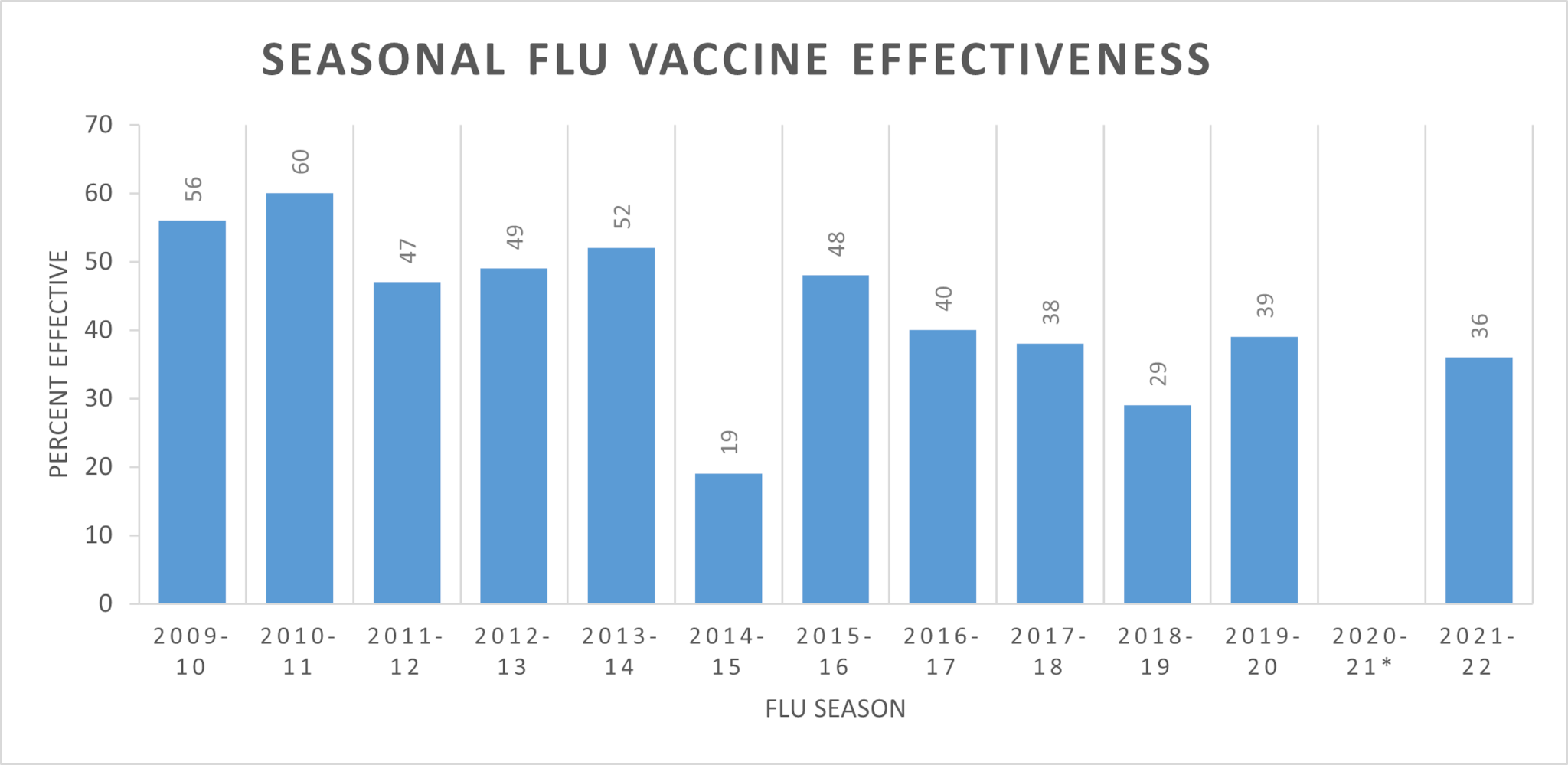
Some years the flu shot is only 10% effect ... usually it is between 40
and 60% effective. Some folks are just fine with that but go crazy over
the new "flu" ... when politics are your information source, you are
doomed to being an imbecile. Jerrioppolous had a couple of moments this
morning ... did not last.
You don't even make a shred of sense.
and 60% effective. Some folks are just fine with that but go crazy over
the new "flu" ...
when politics are your information source, you are
doomed to being an imbecile. Jerrioppolous had a couple of moments this morning ... did not last.
On 12/28/2022 11:40 AM, BillB wrote:
On Wednesday, December 28, 2022 at 8:55:43 AM UTC-8, da pickle wrote:
Answer one question, how many people with the "regular" flu shot get the >> flu?
Is there an "irregular" flu shot? Never heard of it.No, there is no "irregular" flu shot ... afraid to answer a simple question?
Oops, I answered it for you and you ran like a rat.
Figures
On 12/28/2022 11:37 AM, BillB wrote:Last year’s vaccine rollout fueled another wave of unfounded alarm. Now, in addition to all the claims still being bandied about, there are conspiracy theories about the long-term effects of the treatments, researchers say.
On Wednesday, December 28, 2022 at 9:02:28 AM UTC-8, da pickle wrote:
On 12/28/2022 10:59 AM, BTSinAustin wrote:
On Wednesday, December 28, 2022 at 11:55:43 AM UTC-5, da pickle wrote: >>>> On 12/28/2022 10:40 AM, VegasJerry wrote:
As Covid-19 Continues to Spread, So Does Misinformation About It (N YTimes)
Doctors are exasperated by the persistence of
false and misleading claims about the virus.
- The constant barrage of bad information about Covid-19 has made it increasingly
- difficult for accurate advice to break through, misinformation researchers say.
Nearly three years into the pandemic, Covid-19 remains stubbornly persistent. So, too, does misinformation about the virus.
As Covid cases, hospitalizations and deaths rise in parts of the country, myths and misleading narratives continue to evolve and spread, exasperating overburdened doctors and evading content moderators.
What began in 2020 as rumors that cast doubt on the existence or seriousness of Covid quickly evolved into often outlandish claims about dangerous technology lurking in masks and the supposed miracle cures from unproven drugs, like ivermectin.
suffering from pandemic fatigue to become further inured to Covid’s continuing dangers and susceptible to other harmful medical content.
The ideas still thrive on social media platforms, and the constant barrage, now a yearslong accumulation, has made it increasingly difficult for accurate advice to break through, misinformation researchers say. That leaves people already
literacy and information access. “We know for a fact that health misinformation contributes to the spread of real-world disease.”
“It’s easy to forget that health misinformation, including about Covid, can still contribute to people not getting vaccinated or creating stigmas,” said Megan Marrelli, the editorial director of Meedan, a nonprofit focused on digital
content moderation decisions on public polls posted by its new owner and chief executive, the billionaire Elon Musk.
Twitter is of particular concern for researchers. The company recently gutted the teams responsible for keeping dangerous or inaccurate material in check on the platform, stopped enforcing its Covid misinformation policy and began basing some
6 million likes and 580,000 retweets.
From Nov. 1 to Dec. 5, Australian researchers collected more than half a million conspiratorial and misleading English-language tweets about Covid, using terms such as “deep state,” “hoax” and “bioweapon.” The tweets drew more than 1.
vaccination content that had been common on the platform in 2015 and 2016. From January 2020 to September 2022, Twitter suspended more than 11,000 accounts over violations of its Covid misinformation policy.
The researchers said the volume of toxic material surged late last month with the release of a film that included baseless claims that Covid vaccines set off “the greatest orchestrated die-off in the history of the world.”
Naomi Smith, a sociologist at Federation University Australia who helped conduct the research with Timothy Graham, a digital media expert at Queensland University of Technology, said Twitter’s misinformation policies helped tamp down anti-
to do any work to find that information — it is presented in your feed with any other types of information.”
Now, Dr. Smith said, the protective barriers are “falling over in real time, which is both interesting as an academic and absolutely terrifying.”
“Pre-Covid, people who believed in medical misinformation were generally just talking to each other, contained within their own little bubble, and you had to go and do a bit of work to find that bubble,” she said. “But now, you don’t have
vaccine skeptic.
Several prominent Twitter accounts that had been suspended for spreading unfounded claims about Covid have were reinstated in recent weeks, including those of Representative Marjorie Taylor Greene, a Georgia Republican, and Robert Malone, a
Centers for Disease Control and Prevention in the last week of the month.) This month, he took aim at Dr. Anthony S. Fauci, who will soon step down as President Biden’s top medical adviser and the longtime director of the National Institute of Allergy
Mr. Musk himself has used Twitter to weigh in on the pandemic, predicting in March 2020 that the United States was likely to have “close to zero new cases” by the end of that April. (More than 100,000 positive tests were reported to the
more than 4,500 words long. TikTok said it had removed more than 250,000 videos for Covid misinformation and worked with partners such as its content advisory council to develop its policies and enforcement strategies. (Mr. Musk disbanded Twitter’s
Twitter did not respond to a request for comment. Other major social platforms, including TikTok and YouTube, said last week that they remained committed to combating Covid misinformation.
YouTube prohibits content — including videos, comments and links — about vaccines and Covid-19 that contradicts recommendations from the local health authorities or the World Health Organization. Facebook’s policy on Covid-19 content is
led to recommendations for “walk-in covid vaccine” and “types of covid vaccines.” One search on TikTok for “mRNA vaccine” brought up five videos containing false claims within the first 10 results, according to researchers. TikTok said in a
But the platforms have struggled to enforce their Covid rules.
Newsguard, an organization that tracks online misinformation, found this fall that typing “covid vaccine” into TikTok caused it to suggest searches for “covid vaccine injury” and “covid vaccine warning,” while the same query on Google
claims on social media that Covid vaccines will insert robots into their arms.
In years past, people would get medical advice from neighbors, or try to self-diagnose via Google search, said Dr. Anish Agarwal, an emergency physician in Philadelphia. Now, years into the pandemic, he still gets patients who believe “crazy”
related social media habits of different populations.
“We battle that every single day,” said Dr. Agarwal, who teaches at the University of Pennsylvania’s Perelman School of Medicine and serves as deputy director of Penn Medicine’s Center for Digital Health.
Online and offline discussions of the coronavirus are constantly shifting, with patients bringing him questions lately about booster shots and long Covid, Dr. Agarwal said. He has a grant from the National Institutes of Health to study the Covid-
he said.
“Moving forward, understanding our behaviors and thoughts around Covid will probably also shine light on how individuals interact with other health information on social media, how we can actually use social media to combat misinformation,”
as an unconstitutional infringement of free speech. Tech companies including Meta, Google and Twitter have faced lawsuits this year from people who were barred over Covid misinformation and claim that the companies overreached in their content moderation
Years of lies and rumors about Covid have had a contagion effect, damaging public acceptance of all vaccines, said Heidi J. Larson, the director of the Vaccine Confidence Project at the London School of Hygiene & Tropical Medicine.
“The Covid rumors are not going to go away — they’re going to get repurposed, and they’re going to adapt,” she said. “We can’t delete this. No one company can fix this.”
Some efforts to slow the spread of misinformation about the virus have bumped up against First Amendment concerns.
A law that California passed several months ago, and that is set to take effect next month, would punish doctors for spreading false information about Covid vaccines. It already faces legal challenges from plaintiffs who describe the regulation
than a hundred evidence-packed tweets trying to debunk misinformation about the coronavirus.
Dr. Graham Walker, an emergency physician in San Francisco, said the rumors spreading online about the pandemic drove him and many of his colleagues to social media to try to correct inaccuracies. He has posted several Twitter threads with more
easily available treatments is at least partly responsible, he said.
But this year, he said he felt increasingly defeated by the onslaught of toxic content about a variety of medical issues. He left Twitter after the company abandoned its Covid misinformation policy.
“I began to think that this was not a winning battle,” he said. “It doesn’t feel like a fair fight.”
Now, Dr. Walker said, he is watching as a “tripledemic” of Covid-19, R.S.V. and influenza bombards the health care system, causing emergency room waits in some hospitals to surge from less than an hour to six hours. Misinformation about
Honestly, at this point, we will take any dent we can get.”
“If we had a larger uptick in vaccinations with the most recent vaccines, we probably would have a smaller number of people getting extremely ill with Covid, and that’s certainly going to make a dent in hospitalization numbers,” he said. “
__________________Answer one question, how many people with the "regular" flu shot get the
flu?
Don't confuse Jerry (Nazi) in Vegas with facts
Some years the flu shot is only 10% effect ... usually it is between 40 >> and 60% effective. Some folks are just fine with that but go crazy over >> the new "flu" ... when politics are your information source, you are
doomed to being an imbecile. Jerrioppolous had a couple of moments this >> morning ... did not last.
You don't even make a shred of sense.Those are the regular flu shots ... dodge it again.
As Jerry might say ... run away again.
On Wednesday, December 28, 2022 at 9:02:28 AM UTC-8, da pickle wrote:
~ Some years the flu shot is only 10% effect
From where did you get '10%'? https://www.cdc.gov/flu/images/vaccines-work/Flu_VE_22.png?_=36304
And it needs to be kept in mind that flu vaccination is a game in which success is determined by how well the future circulating versions of flu are predicted. The prediction is better in some years than others.
COVID is not a 'flu'. In the last decade there has been an average of 35,000 deaths per year from flu. Quite a bit different from the 1,000,000+ deaths from COVID in a year and a half, or so. It's not even close to being a 'flu".
when politics are your information source, you are
doomed to being an imbecile. Jerrioppolous had a couple of moments this
morning ... did not last.
On 12/28/2022 10:40 AM, VegasJerry wrote:year’s vaccine rollout fueled another wave of unfounded alarm. Now, in addition to all the claims still being bandied about, there are conspiracy theories about the long-term effects of the treatments, researchers say.
As Covid-19 Continues to Spread, So Does Misinformation About It (N YTimes)
Doctors are exasperated by the persistence of
false and misleading claims about the virus.
- The constant barrage of bad information about Covid-19 has made it increasingly
- difficult for accurate advice to break through, misinformation researchers say.
Nearly three years into the pandemic, Covid-19 remains stubbornly persistent. So, too, does misinformation about the virus.
As Covid cases, hospitalizations and deaths rise in parts of the country, myths and misleading narratives continue to evolve and spread, exasperating overburdened doctors and evading content moderators.
What began in 2020 as rumors that cast doubt on the existence or seriousness of Covid quickly evolved into often outlandish claims about dangerous technology lurking in masks and the supposed miracle cures from unproven drugs, like ivermectin. Last
from pandemic fatigue to become further inured to Covid’s continuing dangers and susceptible to other harmful medical content.The ideas still thrive on social media platforms, and the constant barrage, now a yearslong accumulation, has made it increasingly difficult for accurate advice to break through, misinformation researchers say. That leaves people already suffering
and information access. “We know for a fact that health misinformation contributes to the spread of real-world disease.”“It’s easy to forget that health misinformation, including about Covid, can still contribute to people not getting vaccinated or creating stigmas,” said Megan Marrelli, the editorial director of Meedan, a nonprofit focused on digital literacy
moderation decisions on public polls posted by its new owner and chief executive, the billionaire Elon Musk.Twitter is of particular concern for researchers. The company recently gutted the teams responsible for keeping dangerous or inaccurate material in check on the platform, stopped enforcing its Covid misinformation policy and began basing some content
million likes and 580,000 retweets.From Nov. 1 to Dec. 5, Australian researchers collected more than half a million conspiratorial and misleading English-language tweets about Covid, using terms such as “deep state,” “hoax” and “bioweapon.” The tweets drew more than 1.6
vaccination content that had been common on the platform in 2015 and 2016. From January 2020 to September 2022, Twitter suspended more than 11,000 accounts over violations of its Covid misinformation policy.The researchers said the volume of toxic material surged late last month with the release of a film that included baseless claims that Covid vaccines set off “the greatest orchestrated die-off in the history of the world.”
Naomi Smith, a sociologist at Federation University Australia who helped conduct the research with Timothy Graham, a digital media expert at Queensland University of Technology, said Twitter’s misinformation policies helped tamp down anti-
do any work to find that information — it is presented in your feed with any other types of information.”Now, Dr. Smith said, the protective barriers are “falling over in real time, which is both interesting as an academic and absolutely terrifying.”
“Pre-Covid, people who believed in medical misinformation were generally just talking to each other, contained within their own little bubble, and you had to go and do a bit of work to find that bubble,” she said. “But now, you don’t have to
skeptic.Several prominent Twitter accounts that had been suspended for spreading unfounded claims about Covid have were reinstated in recent weeks, including those of Representative Marjorie Taylor Greene, a Georgia Republican, and Robert Malone, a vaccine
for Disease Control and Prevention in the last week of the month.) This month, he took aim at Dr. Anthony S. Fauci, who will soon step down as President Biden’s top medical adviser and the longtime director of the National Institute of Allergy andMr. Musk himself has used Twitter to weigh in on the pandemic, predicting in March 2020 that the United States was likely to have “close to zero new cases” by the end of that April. (More than 100,000 positive tests were reported to the Centers
than 4,500 words long. TikTok said it had removed more than 250,000 videos for Covid misinformation and worked with partners such as its content advisory council to develop its policies and enforcement strategies. (Mr. Musk disbanded Twitter’s advisoryTwitter did not respond to a request for comment. Other major social platforms, including TikTok and YouTube, said last week that they remained committed to combating Covid misinformation.
YouTube prohibits content — including videos, comments and links — about vaccines and Covid-19 that contradicts recommendations from the local health authorities or the World Health Organization. Facebook’s policy on Covid-19 content is more
to recommendations for “walk-in covid vaccine” and “types of covid vaccines.” One search on TikTok for “mRNA vaccine” brought up five videos containing false claims within the first 10 results, according to researchers. TikTok said in aBut the platforms have struggled to enforce their Covid rules.
Newsguard, an organization that tracks online misinformation, found this fall that typing “covid vaccine” into TikTok caused it to suggest searches for “covid vaccine injury” and “covid vaccine warning,” while the same query on Google led
claims on social media that Covid vaccines will insert robots into their arms.In years past, people would get medical advice from neighbors, or try to self-diagnose via Google search, said Dr. Anish Agarwal, an emergency physician in Philadelphia. Now, years into the pandemic, he still gets patients who believe “crazy”
related social media habits of different populations.“We battle that every single day,” said Dr. Agarwal, who teaches at the University of Pennsylvania’s Perelman School of Medicine and serves as deputy director of Penn Medicine’s Center for Digital Health.
Online and offline discussions of the coronavirus are constantly shifting, with patients bringing him questions lately about booster shots and long Covid, Dr. Agarwal said. He has a grant from the National Institutes of Health to study the Covid-
said.“Moving forward, understanding our behaviors and thoughts around Covid will probably also shine light on how individuals interact with other health information on social media, how we can actually use social media to combat misinformation,” he
unconstitutional infringement of free speech. Tech companies including Meta, Google and Twitter have faced lawsuits this year from people who were barred over Covid misinformation and claim that the companies overreached in their content moderationYears of lies and rumors about Covid have had a contagion effect, damaging public acceptance of all vaccines, said Heidi J. Larson, the director of the Vaccine Confidence Project at the London School of Hygiene & Tropical Medicine.
“The Covid rumors are not going to go away — they’re going to get repurposed, and they’re going to adapt,” she said. “We can’t delete this. No one company can fix this.”
Some efforts to slow the spread of misinformation about the virus have bumped up against First Amendment concerns.
A law that California passed several months ago, and that is set to take effect next month, would punish doctors for spreading false information about Covid vaccines. It already faces legal challenges from plaintiffs who describe the regulation as an
a hundred evidence-packed tweets trying to debunk misinformation about the coronavirus.Dr. Graham Walker, an emergency physician in San Francisco, said the rumors spreading online about the pandemic drove him and many of his colleagues to social media to try to correct inaccuracies. He has posted several Twitter threads with more than
available treatments is at least partly responsible, he said.But this year, he said he felt increasingly defeated by the onslaught of toxic content about a variety of medical issues. He left Twitter after the company abandoned its Covid misinformation policy.
“I began to think that this was not a winning battle,” he said. “It doesn’t feel like a fair fight.”
Now, Dr. Walker said, he is watching as a “tripledemic” of Covid-19, R.S.V. and influenza bombards the health care system, causing emergency room waits in some hospitals to surge from less than an hour to six hours. Misinformation about easily
Honestly, at this point, we will take any dent we can get.”“If we had a larger uptick in vaccinations with the most recent vaccines, we probably would have a smaller number of people getting extremely ill with Covid, and that’s certainly going to make a dent in hospitalization numbers,” he said. “
.__________________Answer one question, how many people with the "regular" flu shot get the flu?
On Wednesday, December 28, 2022 at 11:55:43 AM UTC-5, da pickle wrote:year’s vaccine rollout fueled another wave of unfounded alarm. Now, in addition to all the claims still being bandied about, there are conspiracy theories about the long-term effects of the treatments, researchers say.
On 12/28/2022 10:40 AM, VegasJerry wrote:
As Covid-19 Continues to Spread, So Does Misinformation About It (N YTimes)
Doctors are exasperated by the persistence of
false and misleading claims about the virus.
- The constant barrage of bad information about Covid-19 has made it increasingly
- difficult for accurate advice to break through, misinformation researchers say.
Nearly three years into the pandemic, Covid-19 remains stubbornly persistent. So, too, does misinformation about the virus.
As Covid cases, hospitalizations and deaths rise in parts of the country, myths and misleading narratives continue to evolve and spread, exasperating overburdened doctors and evading content moderators.
What began in 2020 as rumors that cast doubt on the existence or seriousness of Covid quickly evolved into often outlandish claims about dangerous technology lurking in masks and the supposed miracle cures from unproven drugs, like ivermectin. Last
from pandemic fatigue to become further inured to Covid’s continuing dangers and susceptible to other harmful medical content.The ideas still thrive on social media platforms, and the constant barrage, now a yearslong accumulation, has made it increasingly difficult for accurate advice to break through, misinformation researchers say. That leaves people already suffering
and information access. “We know for a fact that health misinformation contributes to the spread of real-world disease.”“It’s easy to forget that health misinformation, including about Covid, can still contribute to people not getting vaccinated or creating stigmas,” said Megan Marrelli, the editorial director of Meedan, a nonprofit focused on digital literacy
content moderation decisions on public polls posted by its new owner and chief executive, the billionaire Elon Musk.Twitter is of particular concern for researchers. The company recently gutted the teams responsible for keeping dangerous or inaccurate material in check on the platform, stopped enforcing its Covid misinformation policy and began basing some
million likes and 580,000 retweets.From Nov. 1 to Dec. 5, Australian researchers collected more than half a million conspiratorial and misleading English-language tweets about Covid, using terms such as “deep state,” “hoax” and “bioweapon.” The tweets drew more than 1.6
vaccination content that had been common on the platform in 2015 and 2016. From January 2020 to September 2022, Twitter suspended more than 11,000 accounts over violations of its Covid misinformation policy.The researchers said the volume of toxic material surged late last month with the release of a film that included baseless claims that Covid vaccines set off “the greatest orchestrated die-off in the history of the world.”
Naomi Smith, a sociologist at Federation University Australia who helped conduct the research with Timothy Graham, a digital media expert at Queensland University of Technology, said Twitter’s misinformation policies helped tamp down anti-
to do any work to find that information — it is presented in your feed with any other types of information.”Now, Dr. Smith said, the protective barriers are “falling over in real time, which is both interesting as an academic and absolutely terrifying.”
“Pre-Covid, people who believed in medical misinformation were generally just talking to each other, contained within their own little bubble, and you had to go and do a bit of work to find that bubble,” she said. “But now, you don’t have
skeptic.Several prominent Twitter accounts that had been suspended for spreading unfounded claims about Covid have were reinstated in recent weeks, including those of Representative Marjorie Taylor Greene, a Georgia Republican, and Robert Malone, a vaccine
for Disease Control and Prevention in the last week of the month.) This month, he took aim at Dr. Anthony S. Fauci, who will soon step down as President Biden’s top medical adviser and the longtime director of the National Institute of Allergy andMr. Musk himself has used Twitter to weigh in on the pandemic, predicting in March 2020 that the United States was likely to have “close to zero new cases” by the end of that April. (More than 100,000 positive tests were reported to the Centers
than 4,500 words long. TikTok said it had removed more than 250,000 videos for Covid misinformation and worked with partners such as its content advisory council to develop its policies and enforcement strategies. (Mr. Musk disbanded Twitter’s advisoryTwitter did not respond to a request for comment. Other major social platforms, including TikTok and YouTube, said last week that they remained committed to combating Covid misinformation.
YouTube prohibits content — including videos, comments and links — about vaccines and Covid-19 that contradicts recommendations from the local health authorities or the World Health Organization. Facebook’s policy on Covid-19 content is more
led to recommendations for “walk-in covid vaccine” and “types of covid vaccines.” One search on TikTok for “mRNA vaccine” brought up five videos containing false claims within the first 10 results, according to researchers. TikTok said in aBut the platforms have struggled to enforce their Covid rules.
Newsguard, an organization that tracks online misinformation, found this fall that typing “covid vaccine” into TikTok caused it to suggest searches for “covid vaccine injury” and “covid vaccine warning,” while the same query on Google
claims on social media that Covid vaccines will insert robots into their arms.In years past, people would get medical advice from neighbors, or try to self-diagnose via Google search, said Dr. Anish Agarwal, an emergency physician in Philadelphia. Now, years into the pandemic, he still gets patients who believe “crazy”
related social media habits of different populations.“We battle that every single day,” said Dr. Agarwal, who teaches at the University of Pennsylvania’s Perelman School of Medicine and serves as deputy director of Penn Medicine’s Center for Digital Health.
Online and offline discussions of the coronavirus are constantly shifting, with patients bringing him questions lately about booster shots and long Covid, Dr. Agarwal said. He has a grant from the National Institutes of Health to study the Covid-
said.“Moving forward, understanding our behaviors and thoughts around Covid will probably also shine light on how individuals interact with other health information on social media, how we can actually use social media to combat misinformation,” he
an unconstitutional infringement of free speech. Tech companies including Meta, Google and Twitter have faced lawsuits this year from people who were barred over Covid misinformation and claim that the companies overreached in their content moderationYears of lies and rumors about Covid have had a contagion effect, damaging public acceptance of all vaccines, said Heidi J. Larson, the director of the Vaccine Confidence Project at the London School of Hygiene & Tropical Medicine.
“The Covid rumors are not going to go away — they’re going to get repurposed, and they’re going to adapt,” she said. “We can’t delete this. No one company can fix this.”
Some efforts to slow the spread of misinformation about the virus have bumped up against First Amendment concerns.
A law that California passed several months ago, and that is set to take effect next month, would punish doctors for spreading false information about Covid vaccines. It already faces legal challenges from plaintiffs who describe the regulation as
than a hundred evidence-packed tweets trying to debunk misinformation about the coronavirus.Dr. Graham Walker, an emergency physician in San Francisco, said the rumors spreading online about the pandemic drove him and many of his colleagues to social media to try to correct inaccuracies. He has posted several Twitter threads with more
available treatments is at least partly responsible, he said.But this year, he said he felt increasingly defeated by the onslaught of toxic content about a variety of medical issues. He left Twitter after the company abandoned its Covid misinformation policy.
“I began to think that this was not a winning battle,” he said. “It doesn’t feel like a fair fight.”
Now, Dr. Walker said, he is watching as a “tripledemic” of Covid-19, R.S.V. and influenza bombards the health care system, causing emergency room waits in some hospitals to surge from less than an hour to six hours. Misinformation about easily
Honestly, at this point, we will take any dent we can get.”“If we had a larger uptick in vaccinations with the most recent vaccines, we probably would have a smaller number of people getting extremely ill with Covid, and that’s certainly going to make a dent in hospitalization numbers,” he said. “
.Don't confuse Jerry (Nazi) in Vegas with facts__________________Answer one question, how many people with the "regular" flu shot get the flu?
On 12/28/2022 10:59 AM, BTSinAustin wrote:year’s vaccine rollout fueled another wave of unfounded alarm. Now, in addition to all the claims still being bandied about, there are conspiracy theories about the long-term effects of the treatments, researchers say.
On Wednesday, December 28, 2022 at 11:55:43 AM UTC-5, da pickle wrote:
On 12/28/2022 10:40 AM, VegasJerry wrote:
As Covid-19 Continues to Spread, So Does Misinformation About It (N YTimes)
Doctors are exasperated by the persistence of
false and misleading claims about the virus.
- The constant barrage of bad information about Covid-19 has made it increasingly
- difficult for accurate advice to break through, misinformation researchers say.
Nearly three years into the pandemic, Covid-19 remains stubbornly persistent. So, too, does misinformation about the virus.
As Covid cases, hospitalizations and deaths rise in parts of the country, myths and misleading narratives continue to evolve and spread, exasperating overburdened doctors and evading content moderators.
What began in 2020 as rumors that cast doubt on the existence or seriousness of Covid quickly evolved into often outlandish claims about dangerous technology lurking in masks and the supposed miracle cures from unproven drugs, like ivermectin. Last
from pandemic fatigue to become further inured to Covid’s continuing dangers and susceptible to other harmful medical content.
The ideas still thrive on social media platforms, and the constant barrage, now a yearslong accumulation, has made it increasingly difficult for accurate advice to break through, misinformation researchers say. That leaves people already suffering
and information access. “We know for a fact that health misinformation contributes to the spread of real-world disease.”
“It’s easy to forget that health misinformation, including about Covid, can still contribute to people not getting vaccinated or creating stigmas,” said Megan Marrelli, the editorial director of Meedan, a nonprofit focused on digital literacy
content moderation decisions on public polls posted by its new owner and chief executive, the billionaire Elon Musk.
Twitter is of particular concern for researchers. The company recently gutted the teams responsible for keeping dangerous or inaccurate material in check on the platform, stopped enforcing its Covid misinformation policy and began basing some
million likes and 580,000 retweets.
From Nov. 1 to Dec. 5, Australian researchers collected more than half a million conspiratorial and misleading English-language tweets about Covid, using terms such as “deep state,” “hoax” and “bioweapon.” The tweets drew more than 1.6
vaccination content that had been common on the platform in 2015 and 2016. From January 2020 to September 2022, Twitter suspended more than 11,000 accounts over violations of its Covid misinformation policy.
The researchers said the volume of toxic material surged late last month with the release of a film that included baseless claims that Covid vaccines set off “the greatest orchestrated die-off in the history of the world.”
Naomi Smith, a sociologist at Federation University Australia who helped conduct the research with Timothy Graham, a digital media expert at Queensland University of Technology, said Twitter’s misinformation policies helped tamp down anti-
to do any work to find that information — it is presented in your feed with any other types of information.”
Now, Dr. Smith said, the protective barriers are “falling over in real time, which is both interesting as an academic and absolutely terrifying.”
“Pre-Covid, people who believed in medical misinformation were generally just talking to each other, contained within their own little bubble, and you had to go and do a bit of work to find that bubble,” she said. “But now, you don’t have
skeptic.
Several prominent Twitter accounts that had been suspended for spreading unfounded claims about Covid have were reinstated in recent weeks, including those of Representative Marjorie Taylor Greene, a Georgia Republican, and Robert Malone, a vaccine
for Disease Control and Prevention in the last week of the month.) This month, he took aim at Dr. Anthony S. Fauci, who will soon step down as President Biden’s top medical adviser and the longtime director of the National Institute of Allergy and
Mr. Musk himself has used Twitter to weigh in on the pandemic, predicting in March 2020 that the United States was likely to have “close to zero new cases” by the end of that April. (More than 100,000 positive tests were reported to the Centers
than 4,500 words long. TikTok said it had removed more than 250,000 videos for Covid misinformation and worked with partners such as its content advisory council to develop its policies and enforcement strategies. (Mr. Musk disbanded Twitter’s advisory
Twitter did not respond to a request for comment. Other major social platforms, including TikTok and YouTube, said last week that they remained committed to combating Covid misinformation.
YouTube prohibits content — including videos, comments and links — about vaccines and Covid-19 that contradicts recommendations from the local health authorities or the World Health Organization. Facebook’s policy on Covid-19 content is more
led to recommendations for “walk-in covid vaccine” and “types of covid vaccines.” One search on TikTok for “mRNA vaccine” brought up five videos containing false claims within the first 10 results, according to researchers. TikTok said in a
But the platforms have struggled to enforce their Covid rules.
Newsguard, an organization that tracks online misinformation, found this fall that typing “covid vaccine” into TikTok caused it to suggest searches for “covid vaccine injury” and “covid vaccine warning,” while the same query on Google
claims on social media that Covid vaccines will insert robots into their arms.
In years past, people would get medical advice from neighbors, or try to self-diagnose via Google search, said Dr. Anish Agarwal, an emergency physician in Philadelphia. Now, years into the pandemic, he still gets patients who believe “crazy”
related social media habits of different populations.
“We battle that every single day,” said Dr. Agarwal, who teaches at the University of Pennsylvania’s Perelman School of Medicine and serves as deputy director of Penn Medicine’s Center for Digital Health.
Online and offline discussions of the coronavirus are constantly shifting, with patients bringing him questions lately about booster shots and long Covid, Dr. Agarwal said. He has a grant from the National Institutes of Health to study the Covid-
said.
“Moving forward, understanding our behaviors and thoughts around Covid will probably also shine light on how individuals interact with other health information on social media, how we can actually use social media to combat misinformation,” he
an unconstitutional infringement of free speech. Tech companies including Meta, Google and Twitter have faced lawsuits this year from people who were barred over Covid misinformation and claim that the companies overreached in their content moderation
Years of lies and rumors about Covid have had a contagion effect, damaging public acceptance of all vaccines, said Heidi J. Larson, the director of the Vaccine Confidence Project at the London School of Hygiene & Tropical Medicine.
“The Covid rumors are not going to go away — they’re going to get repurposed, and they’re going to adapt,” she said. “We can’t delete this. No one company can fix this.”
Some efforts to slow the spread of misinformation about the virus have bumped up against First Amendment concerns.
A law that California passed several months ago, and that is set to take effect next month, would punish doctors for spreading false information about Covid vaccines. It already faces legal challenges from plaintiffs who describe the regulation as
than a hundred evidence-packed tweets trying to debunk misinformation about the coronavirus.
Dr. Graham Walker, an emergency physician in San Francisco, said the rumors spreading online about the pandemic drove him and many of his colleagues to social media to try to correct inaccuracies. He has posted several Twitter threads with more
available treatments is at least partly responsible, he said.
But this year, he said he felt increasingly defeated by the onslaught of toxic content about a variety of medical issues. He left Twitter after the company abandoned its Covid misinformation policy.
“I began to think that this was not a winning battle,” he said. “It doesn’t feel like a fair fight.”
Now, Dr. Walker said, he is watching as a “tripledemic” of Covid-19, R.S.V. and influenza bombards the health care system, causing emergency room waits in some hospitals to surge from less than an hour to six hours. Misinformation about easily
Honestly, at this point, we will take any dent we can get.”
“If we had a larger uptick in vaccinations with the most recent vaccines, we probably would have a smaller number of people getting extremely ill with Covid, and that’s certainly going to make a dent in hospitalization numbers,” he said. “
.__________________Answer one question, how many people with the "regular" flu shot get the >> flu?
Don't confuse Jerry (Nazi) in Vegas with factsSome years the flu shot is only 10% effect ... usually it is between 40
and 60% effective. Some folks are just fine with that but go crazy over
the new "flu" ... when politics are your information source, you are
doomed to being an imbecile. Jerrioppolous had a couple of moments this morning ... did not last.
On Wednesday, December 28, 2022 at 9:02:28 AM UTC-8, da pickle wrote:
~ Some years the flu shot is only 10% effect
From where did you get '10%'? https://www.cdc.gov/flu/images/vaccines-work/Flu_VE_22.png?_=36304
And it needs to be kept in mind that flu vaccination is a game in which success is determined by how well the future circulating versions of flu are predicted. The prediction is better in some years than others.
~ ... usually it is between 40.
and 60% effective. Some folks are just fine with that but go crazy over
the new "flu" ...
COVID is not a 'flu'..
when politics are your information source, you are
doomed to being an imbecile. Jerrioppolous had a couple of moments this morning ... did not last.
On Wednesday, December 28, 2022 at 9:02:28 AM UTC-8, da pickle wrote:Last year’s vaccine rollout fueled another wave of unfounded alarm. Now, in addition to all the claims still being bandied about, there are conspiracy theories about the long-term effects of the treatments, researchers say.
On 12/28/2022 10:59 AM, BTSinAustin wrote:
On Wednesday, December 28, 2022 at 11:55:43 AM UTC-5, da pickle wrote:
On 12/28/2022 10:40 AM, VegasJerry wrote:
As Covid-19 Continues to Spread, So Does Misinformation About It (N YTimes)
Doctors are exasperated by the persistence of
false and misleading claims about the virus.
- The constant barrage of bad information about Covid-19 has made it increasingly
- difficult for accurate advice to break through, misinformation researchers say.
Nearly three years into the pandemic, Covid-19 remains stubbornly persistent. So, too, does misinformation about the virus.
As Covid cases, hospitalizations and deaths rise in parts of the country, myths and misleading narratives continue to evolve and spread, exasperating overburdened doctors and evading content moderators.
What began in 2020 as rumors that cast doubt on the existence or seriousness of Covid quickly evolved into often outlandish claims about dangerous technology lurking in masks and the supposed miracle cures from unproven drugs, like ivermectin.
suffering from pandemic fatigue to become further inured to Covid’s continuing dangers and susceptible to other harmful medical content.
The ideas still thrive on social media platforms, and the constant barrage, now a yearslong accumulation, has made it increasingly difficult for accurate advice to break through, misinformation researchers say. That leaves people already
literacy and information access. “We know for a fact that health misinformation contributes to the spread of real-world disease.”
“It’s easy to forget that health misinformation, including about Covid, can still contribute to people not getting vaccinated or creating stigmas,” said Megan Marrelli, the editorial director of Meedan, a nonprofit focused on digital
content moderation decisions on public polls posted by its new owner and chief executive, the billionaire Elon Musk.
Twitter is of particular concern for researchers. The company recently gutted the teams responsible for keeping dangerous or inaccurate material in check on the platform, stopped enforcing its Covid misinformation policy and began basing some
6 million likes and 580,000 retweets.
From Nov. 1 to Dec. 5, Australian researchers collected more than half a million conspiratorial and misleading English-language tweets about Covid, using terms such as “deep state,” “hoax” and “bioweapon.” The tweets drew more than 1.
vaccination content that had been common on the platform in 2015 and 2016. From January 2020 to September 2022, Twitter suspended more than 11,000 accounts over violations of its Covid misinformation policy.
The researchers said the volume of toxic material surged late last month with the release of a film that included baseless claims that Covid vaccines set off “the greatest orchestrated die-off in the history of the world.”
Naomi Smith, a sociologist at Federation University Australia who helped conduct the research with Timothy Graham, a digital media expert at Queensland University of Technology, said Twitter’s misinformation policies helped tamp down anti-
to do any work to find that information — it is presented in your feed with any other types of information.”
Now, Dr. Smith said, the protective barriers are “falling over in real time, which is both interesting as an academic and absolutely terrifying.”
“Pre-Covid, people who believed in medical misinformation were generally just talking to each other, contained within their own little bubble, and you had to go and do a bit of work to find that bubble,” she said. “But now, you don’t have
vaccine skeptic.
Several prominent Twitter accounts that had been suspended for spreading unfounded claims about Covid have were reinstated in recent weeks, including those of Representative Marjorie Taylor Greene, a Georgia Republican, and Robert Malone, a
Centers for Disease Control and Prevention in the last week of the month.) This month, he took aim at Dr. Anthony S. Fauci, who will soon step down as President Biden’s top medical adviser and the longtime director of the National Institute of Allergy
Mr. Musk himself has used Twitter to weigh in on the pandemic, predicting in March 2020 that the United States was likely to have “close to zero new cases” by the end of that April. (More than 100,000 positive tests were reported to the
more than 4,500 words long. TikTok said it had removed more than 250,000 videos for Covid misinformation and worked with partners such as its content advisory council to develop its policies and enforcement strategies. (Mr. Musk disbanded Twitter’s
Twitter did not respond to a request for comment. Other major social platforms, including TikTok and YouTube, said last week that they remained committed to combating Covid misinformation.
YouTube prohibits content — including videos, comments and links — about vaccines and Covid-19 that contradicts recommendations from the local health authorities or the World Health Organization. Facebook’s policy on Covid-19 content is
led to recommendations for “walk-in covid vaccine” and “types of covid vaccines.” One search on TikTok for “mRNA vaccine” brought up five videos containing false claims within the first 10 results, according to researchers. TikTok said in a
But the platforms have struggled to enforce their Covid rules.
Newsguard, an organization that tracks online misinformation, found this fall that typing “covid vaccine” into TikTok caused it to suggest searches for “covid vaccine injury” and “covid vaccine warning,” while the same query on Google
claims on social media that Covid vaccines will insert robots into their arms.
In years past, people would get medical advice from neighbors, or try to self-diagnose via Google search, said Dr. Anish Agarwal, an emergency physician in Philadelphia. Now, years into the pandemic, he still gets patients who believe “crazy”
related social media habits of different populations.
“We battle that every single day,” said Dr. Agarwal, who teaches at the University of Pennsylvania’s Perelman School of Medicine and serves as deputy director of Penn Medicine’s Center for Digital Health.
Online and offline discussions of the coronavirus are constantly shifting, with patients bringing him questions lately about booster shots and long Covid, Dr. Agarwal said. He has a grant from the National Institutes of Health to study the Covid-
he said.
“Moving forward, understanding our behaviors and thoughts around Covid will probably also shine light on how individuals interact with other health information on social media, how we can actually use social media to combat misinformation,”
as an unconstitutional infringement of free speech. Tech companies including Meta, Google and Twitter have faced lawsuits this year from people who were barred over Covid misinformation and claim that the companies overreached in their content moderation
Years of lies and rumors about Covid have had a contagion effect, damaging public acceptance of all vaccines, said Heidi J. Larson, the director of the Vaccine Confidence Project at the London School of Hygiene & Tropical Medicine.
“The Covid rumors are not going to go away — they’re going to get repurposed, and they’re going to adapt,” she said. “We can’t delete this. No one company can fix this.”
Some efforts to slow the spread of misinformation about the virus have bumped up against First Amendment concerns.
A law that California passed several months ago, and that is set to take effect next month, would punish doctors for spreading false information about Covid vaccines. It already faces legal challenges from plaintiffs who describe the regulation
than a hundred evidence-packed tweets trying to debunk misinformation about the coronavirus.
Dr. Graham Walker, an emergency physician in San Francisco, said the rumors spreading online about the pandemic drove him and many of his colleagues to social media to try to correct inaccuracies. He has posted several Twitter threads with more
easily available treatments is at least partly responsible, he said.
But this year, he said he felt increasingly defeated by the onslaught of toxic content about a variety of medical issues. He left Twitter after the company abandoned its Covid misinformation policy.
“I began to think that this was not a winning battle,” he said. “It doesn’t feel like a fair fight.”
Now, Dr. Walker said, he is watching as a “tripledemic” of Covid-19, R.S.V. and influenza bombards the health care system, causing emergency room waits in some hospitals to surge from less than an hour to six hours. Misinformation about
Honestly, at this point, we will take any dent we can get.”
“If we had a larger uptick in vaccinations with the most recent vaccines, we probably would have a smaller number of people getting extremely ill with Covid, and that’s certainly going to make a dent in hospitalization numbers,” he said. “
.__________________Answer one question, how many people with the "regular" flu shot get the
flu?
Don't confuse Jerry (Nazi) in Vegas with factsSome years the flu shot is only 10% effect ... usually it is between 40 and 60% effective. Some folks are just fine with that but go crazy over the new "flu" ... when politics are your information source, you are doomed to being an imbecile. Jerrioppolous had a couple of moments this morning ... did not last.
You don't even make a shred of sense..
On 12/28/2022 1:46 PM, risky biz wrote:
On Wednesday, December 28, 2022 at 9:02:28 AM UTC-8, da pickle wrote:
~ Some years the flu shot is only 10% effect
.From where did you get '10%'? https://www.cdc.gov/flu/images/vaccines-work/Flu_VE_22.png?_=36304Here is what I said:
And it needs to be kept in mind that flu vaccination is a game in which success is determined by how well the future circulating versions of flu are predicted. The prediction is better in some years than others.
Some years the flu shot is only 10% effect ... usually it is between 40
and 60% effective. Some folks are just fine with that but go crazy over
the new "flu" ... when politics are your information source, you are
doomed to being an imbecile. Jerrioppolous had a couple of moments this morning ... did not last.
Here is where I got it
https://www.webmd.com/cold-and-flu/news/20221206/this-years-flu-shot-good-match-circulating-strains-cdc
"The flu vaccine is designed a year in advance using previous season
data, according to Scientific American. Typically, the flu vaccine is
40% to 60% effective, the CDC says, although some years, its
effectiveness has been as low as 10%."
I was tempted to go all Jerry on you ...
On 12/28/2022 1:46 PM, risky biz wrote:
On Wednesday, December 28, 2022 at 9:02:28 AM UTC-8, da pickle wrote:
~ Some years the flu shot is only 10% effect
From where did you get '10%'? https://www.cdc.gov/flu/images/vaccines-work/Flu_VE_22.png?_=36304Here is what I said:
And it needs to be kept in mind that flu vaccination is a game in which success is determined by how well the future circulating versions of flu are predicted. The prediction is better in some years than others.
Some years the flu shot is only 10% effect ... usually it is between 40
and 60% effective. Some folks are just fine with that but go crazy over
the new "flu" ... when politics are your information source, you are
doomed to being an imbecile. Jerrioppolous had a couple of moments this morning ... did not last.
Here is where I got it
https://www.webmd.com/cold-and-flu/news/20221206/this-years-flu-shot-good-match-circulating-strains-cdc
"The flu vaccine is designed a year in advance using previous season
data, according to Scientific American. Typically, the flu vaccine is
40% to 60% effective, the CDC says, although some years, its
effectiveness has been as low as 10%."
I was tempted to go all Jerry on you and tell you to do your own
research. There are numerous sites including the CDC with the information.
COVID is not a 'flu'. In the last decade there has been an average of 35,000 deaths per year from flu. Quite a bit different from the 1,000,000+ deaths from COVID in a year and a half, or so. It's not even close to being a 'flu".
important ways as well ... money and politics. There is money available
if the death is from COVID and not something else ... like underlying illness or just identification. This may make COVID less a threat to us
but not much less ... it does make it different.
I think you would agree.when politics are your information source, you are
doomed to being an imbecile. Jerrioppolous had a couple of moments this >> morning ... did not last.
On Wednesday, December 28, 2022 at 3:28:40 PM UTC-8, da pickle wrote:
On 12/28/2022 1:46 PM, risky biz wrote:
On Wednesday, December 28, 2022 at 9:02:28 AM UTC-8, da pickle wrote:Here is what I said:
~ Some years the flu shot is only 10% effect
From where did you get '10%'?
https://www.cdc.gov/flu/images/vaccines-work/Flu_VE_22.png?_=36304
And it needs to be kept in mind that flu vaccination is a game in which success is determined by how well the future circulating versions of flu are predicted. The prediction is better in some years than others.
Some years the flu shot is only 10% effect ... usually it is between 40
and 60% effective. Some folks are just fine with that but go crazy over
the new "flu" ... when politics are your information source, you are
doomed to being an imbecile. Jerrioppolous had a couple of moments this
morning ... did not last.
Here is where I got it
https://www.webmd.com/cold-and-flu/news/20221206/this-years-flu-shot-good-match-circulating-strains-cdc
"The flu vaccine is designed a year in advance using previous season
data, according to Scientific American. Typically, the flu vaccine is
40% to 60% effective, the CDC says, although some years, its
effectiveness has been as low as 10%."
I was tempted to go all Jerry on you and tell you to do your own
research. There are numerous sites including the CDC with the information.
You didn't notice that I got my information from the CDC?
In some years PREVIOUS to the last decade effectiveness was as low as 10%? That isn't surprising. But how relevant is it?
COVID is not a 'flu'. In the last decade there has been an average of 35,000 deaths per year from flu. Quite a bit different from the 1,000,000+ deaths from COVID in a year and a half, or so. It's not even close to being a 'flu".
~ So, COVID is different than the flu ... but COVID is different in two
important ways as well ... money and politics. There is money available
if the death is from COVID and not something else ... like underlying
illness or just identification. This may make COVID less a threat to us
but not much less ... it does make it different.
That's a load of nonsense. The pharmaceutical industry created a vaccine in record time and saved many hundreds of thousands of lives. Many more lives would have been saved if not for the criminal misinformation spread far and wide.decade ago.
It was sad to see someone who believed those lies, refused the vaccine, and then asked if they could get it now on their deathbed. The criminally bad advice came from people who were jumping up and down like monkeys about the fake 'death panels' a
And, Horrors! They were paid for their work product? Is that a deviation from the normal state of affairs?
I think you would agree.when politics are your information source, you are
doomed to being an imbecile. Jerrioppolous had a couple of moments this >>>> morning ... did not last.
On Wednesday, December 28, 2022 at 11:26:49 AM UTC-8, da pickle wrote:
On 12/28/2022 11:40 AM, BillB wrote:
On Wednesday, December 28, 2022 at 8:55:43 AM UTC-8, da pickle wrote:No, there is no "irregular" flu shot ... afraid to answer a simple question? >>
Answer one question, how many people with the "regular" flu shot get the >>>> flu?
Is there an "irregular" flu shot? Never heard of it.
Oops, I answered it for you and you ran like a rat.
Figures
If there is no "irregular" flu shot then why did you specify that you were talking about the "regular" flu shot. You don't make any sense.
On Thursday, December 29, 2022 at 7:15:45 AM UTC-8, da pickle wrote:
If there is no "irregular" flu shot then why did you specify that you were talking about the "regular" flu shot. You don't make any sense.
Normal might have OK or even current ... nothing wrong with regular
either ... at least for regular people.
Blab on
^^ geriatric gibberish
If there is no "irregular" flu shot then why did you specify that you were talking about the "regular" flu shot. You don't make any sense.
Normal might have OK or even current ... nothing wrong with regular
either ... at least for regular people.
Blab on
On 12/28/2022 2:14 PM, BillB wrote:.
On Wednesday, December 28, 2022 at 11:26:49 AM UTC-8, da pickle wrote:
On 12/28/2022 11:40 AM, BillB wrote:
On Wednesday, December 28, 2022 at 8:55:43 AM UTC-8, da pickle wrote:No, there is no "irregular" flu shot ... afraid to answer a simple question?
Answer one question, how many people with the "regular" flu shot get the >>>> flu?
Is there an "irregular" flu shot? Never heard of it.
Oops, I answered it for you and you ran like a rat.
Figures
If there is no "irregular" flu shot then why did you specify that you were talking about the "regular" flu shot. You don't make any sense.Normal might have OK or even current ... nothing wrong with regular
either ... at least for regular people.
On 12/28/2022 8:18 PM, risky biz wrote:
On Wednesday, December 28, 2022 at 3:28:40 PM UTC-8, da pickle wrote:
On 12/28/2022 1:46 PM, risky biz wrote:
On Wednesday, December 28, 2022 at 9:02:28 AM UTC-8, da pickle wrote: >>>Here is what I said:
~ Some years the flu shot is only 10% effect
From where did you get '10%'?
https://www.cdc.gov/flu/images/vaccines-work/Flu_VE_22.png?_=36304
And it needs to be kept in mind that flu vaccination is a game in which success is determined by how well the future circulating versions of flu are predicted. The prediction is better in some years than others.
Some years the flu shot is only 10% effect ... usually it is between 40 >> and 60% effective. Some folks are just fine with that but go crazy over >> the new "flu" ... when politics are your information source, you are
doomed to being an imbecile. Jerrioppolous had a couple of moments this >> morning ... did not last.
Here is where I got it
https://www.webmd.com/cold-and-flu/news/20221206/this-years-flu-shot-good-match-circulating-strains-cdc
"The flu vaccine is designed a year in advance using previous season
data, according to Scientific American. Typically, the flu vaccine is
40% to 60% effective, the CDC says, although some years, its
effectiveness has been as low as 10%."
I was tempted to go all Jerry on you and tell you to do your own
research. There are numerous sites including the CDC with the information.
You didn't notice that I got my information from the CDC?I answered you question ... not like you risky. My information came
from "... the CDC says..."
In some years PREVIOUS to the last decade effectiveness was as low as 10%? That isn't surprising. But how relevant is it?I was quoting the CDC ... you get to decide if it is "relevant" to
whatever you are talking about. Don't ask me what you are talking about.
COVID is not a 'flu'. In the last decade there has been an average of 35,000 deaths per year from flu. Quite a bit different from the 1,000,000+ deaths from COVID in a year and a half, or so. It's not even close to being a 'flu".
~ So, COVID is different than the flu ... but COVID is different in two
important ways as well ... money and politics. There is money available >> if the death is from COVID and not something else ... like underlying
illness or just identification. This may make COVID less a threat to us >> but not much less ... it does make it different.
decade ago.That's a load of nonsense. The pharmaceutical industry created a vaccine in record time and saved many hundreds of thousands of lives. Many more lives would have been saved if not for the criminal misinformation spread far and wide.
It was sad to see someone who believed those lies, refused the vaccine, and then asked if they could get it now on their deathbed. The criminally bad advice came from people who were jumping up and down like monkeys about the fake 'death panels' a
.And, Horrors! They were paid for their work product? Is that a deviation from the normal state of affairs?Well, you have the facts, like Jerry and Blab ... I would have thought
you would agree with me on the below.
We both quoted something from the CDC ... I think we are both correct.I think you would agree.when politics are your information source, you are
doomed to being an imbecile. Jerrioppolous had a couple of moments this >>>> morning ... did not last.
Big Pharma has no political power in the USA ...
On Thursday, December 29, 2022 at 7:15:45 AM UTC-8, da pickle wrote:
On 12/28/2022 2:14 PM, BillB wrote:.
On Wednesday, December 28, 2022 at 11:26:49 AM UTC-8, da pickle wrote:Normal might have OK or even current ... nothing wrong with regular
On 12/28/2022 11:40 AM, BillB wrote:
On Wednesday, December 28, 2022 at 8:55:43 AM UTC-8, da pickle wrote: >>>>>No, there is no "irregular" flu shot ... afraid to answer a simple question?
Answer one question, how many people with the "regular" flu shot get the >>>>>> flu?
Is there an "irregular" flu shot? Never heard of it.
Oops, I answered it for you and you ran like a rat.
Figures
If there is no "irregular" flu shot then why did you specify that you were talking about the "regular" flu shot. You don't make any sense.
either ... at least for regular people.
Regular IS the normal, dumb shit.
On Wednesday, December 28, 2022 at 8:59:32 AM UTC-8, BTSinAustin wrote:Last year’s vaccine rollout fueled another wave of unfounded alarm. Now, in addition to all the claims still being bandied about, there are conspiracy theories about the long-term effects of the treatments, researchers say.
On Wednesday, December 28, 2022 at 11:55:43 AM UTC-5, da pickle wrote:
On 12/28/2022 10:40 AM, VegasJerry wrote:
As Covid-19 Continues to Spread, So Does Misinformation About It (N YTimes)
Doctors are exasperated by the persistence of
false and misleading claims about the virus.
- The constant barrage of bad information about Covid-19 has made it increasingly
- difficult for accurate advice to break through, misinformation researchers say.
Nearly three years into the pandemic, Covid-19 remains stubbornly persistent. So, too, does misinformation about the virus.
As Covid cases, hospitalizations and deaths rise in parts of the country, myths and misleading narratives continue to evolve and spread, exasperating overburdened doctors and evading content moderators.
What began in 2020 as rumors that cast doubt on the existence or seriousness of Covid quickly evolved into often outlandish claims about dangerous technology lurking in masks and the supposed miracle cures from unproven drugs, like ivermectin.
suffering from pandemic fatigue to become further inured to Covid’s continuing dangers and susceptible to other harmful medical content.The ideas still thrive on social media platforms, and the constant barrage, now a yearslong accumulation, has made it increasingly difficult for accurate advice to break through, misinformation researchers say. That leaves people already
literacy and information access. “We know for a fact that health misinformation contributes to the spread of real-world disease.”“It’s easy to forget that health misinformation, including about Covid, can still contribute to people not getting vaccinated or creating stigmas,” said Megan Marrelli, the editorial director of Meedan, a nonprofit focused on digital
content moderation decisions on public polls posted by its new owner and chief executive, the billionaire Elon Musk.Twitter is of particular concern for researchers. The company recently gutted the teams responsible for keeping dangerous or inaccurate material in check on the platform, stopped enforcing its Covid misinformation policy and began basing some
6 million likes and 580,000 retweets.From Nov. 1 to Dec. 5, Australian researchers collected more than half a million conspiratorial and misleading English-language tweets about Covid, using terms such as “deep state,” “hoax” and “bioweapon.” The tweets drew more than 1.
vaccination content that had been common on the platform in 2015 and 2016. From January 2020 to September 2022, Twitter suspended more than 11,000 accounts over violations of its Covid misinformation policy.The researchers said the volume of toxic material surged late last month with the release of a film that included baseless claims that Covid vaccines set off “the greatest orchestrated die-off in the history of the world.”
Naomi Smith, a sociologist at Federation University Australia who helped conduct the research with Timothy Graham, a digital media expert at Queensland University of Technology, said Twitter’s misinformation policies helped tamp down anti-
to do any work to find that information — it is presented in your feed with any other types of information.”Now, Dr. Smith said, the protective barriers are “falling over in real time, which is both interesting as an academic and absolutely terrifying.”
“Pre-Covid, people who believed in medical misinformation were generally just talking to each other, contained within their own little bubble, and you had to go and do a bit of work to find that bubble,” she said. “But now, you don’t have
vaccine skeptic.Several prominent Twitter accounts that had been suspended for spreading unfounded claims about Covid have were reinstated in recent weeks, including those of Representative Marjorie Taylor Greene, a Georgia Republican, and Robert Malone, a
Centers for Disease Control and Prevention in the last week of the month.) This month, he took aim at Dr. Anthony S. Fauci, who will soon step down as President Biden’s top medical adviser and the longtime director of the National Institute of AllergyMr. Musk himself has used Twitter to weigh in on the pandemic, predicting in March 2020 that the United States was likely to have “close to zero new cases” by the end of that April. (More than 100,000 positive tests were reported to the
more than 4,500 words long. TikTok said it had removed more than 250,000 videos for Covid misinformation and worked with partners such as its content advisory council to develop its policies and enforcement strategies. (Mr. Musk disbanded Twitter’sTwitter did not respond to a request for comment. Other major social platforms, including TikTok and YouTube, said last week that they remained committed to combating Covid misinformation.
YouTube prohibits content — including videos, comments and links — about vaccines and Covid-19 that contradicts recommendations from the local health authorities or the World Health Organization. Facebook’s policy on Covid-19 content is
led to recommendations for “walk-in covid vaccine” and “types of covid vaccines.” One search on TikTok for “mRNA vaccine” brought up five videos containing false claims within the first 10 results, according to researchers. TikTok said in aBut the platforms have struggled to enforce their Covid rules.
Newsguard, an organization that tracks online misinformation, found this fall that typing “covid vaccine” into TikTok caused it to suggest searches for “covid vaccine injury” and “covid vaccine warning,” while the same query on Google
claims on social media that Covid vaccines will insert robots into their arms.In years past, people would get medical advice from neighbors, or try to self-diagnose via Google search, said Dr. Anish Agarwal, an emergency physician in Philadelphia. Now, years into the pandemic, he still gets patients who believe “crazy”
related social media habits of different populations.“We battle that every single day,” said Dr. Agarwal, who teaches at the University of Pennsylvania’s Perelman School of Medicine and serves as deputy director of Penn Medicine’s Center for Digital Health.
Online and offline discussions of the coronavirus are constantly shifting, with patients bringing him questions lately about booster shots and long Covid, Dr. Agarwal said. He has a grant from the National Institutes of Health to study the Covid-
he said.“Moving forward, understanding our behaviors and thoughts around Covid will probably also shine light on how individuals interact with other health information on social media, how we can actually use social media to combat misinformation,”
as an unconstitutional infringement of free speech. Tech companies including Meta, Google and Twitter have faced lawsuits this year from people who were barred over Covid misinformation and claim that the companies overreached in their content moderationYears of lies and rumors about Covid have had a contagion effect, damaging public acceptance of all vaccines, said Heidi J. Larson, the director of the Vaccine Confidence Project at the London School of Hygiene & Tropical Medicine.
“The Covid rumors are not going to go away — they’re going to get repurposed, and they’re going to adapt,” she said. “We can’t delete this. No one company can fix this.”
Some efforts to slow the spread of misinformation about the virus have bumped up against First Amendment concerns.
A law that California passed several months ago, and that is set to take effect next month, would punish doctors for spreading false information about Covid vaccines. It already faces legal challenges from plaintiffs who describe the regulation
than a hundred evidence-packed tweets trying to debunk misinformation about the coronavirus.Dr. Graham Walker, an emergency physician in San Francisco, said the rumors spreading online about the pandemic drove him and many of his colleagues to social media to try to correct inaccuracies. He has posted several Twitter threads with more
easily available treatments is at least partly responsible, he said.But this year, he said he felt increasingly defeated by the onslaught of toxic content about a variety of medical issues. He left Twitter after the company abandoned its Covid misinformation policy.
“I began to think that this was not a winning battle,” he said. “It doesn’t feel like a fair fight.”
Now, Dr. Walker said, he is watching as a “tripledemic” of Covid-19, R.S.V. and influenza bombards the health care system, causing emergency room waits in some hospitals to surge from less than an hour to six hours. Misinformation about
Honestly, at this point, we will take any dent we can get.”“If we had a larger uptick in vaccinations with the most recent vaccines, we probably would have a smaller number of people getting extremely ill with Covid, and that’s certainly going to make a dent in hospitalization numbers,” he said. “
.Don't confuse Jerry (Nazi) in Vegas with facts__________________Answer one question, how many people with the "regular" flu shot get the flu?
"As Covid-19 Continues to Spread, So Does Misinformation About It"
And here's some of it..
On Wednesday, December 28, 2022 at 7:27:26 PM UTC-5, VegasJerry wrote:Last year’s vaccine rollout fueled another wave of unfounded alarm. Now, in addition to all the claims still being bandied about, there are conspiracy theories about the long-term effects of the treatments, researchers say.
On Wednesday, December 28, 2022 at 8:59:32 AM UTC-8, BTSinAustin wrote:
On Wednesday, December 28, 2022 at 11:55:43 AM UTC-5, da pickle wrote:
On 12/28/2022 10:40 AM, VegasJerry wrote:
As Covid-19 Continues to Spread, So Does Misinformation About It (N YTimes)
Doctors are exasperated by the persistence of
false and misleading claims about the virus.
- The constant barrage of bad information about Covid-19 has made it increasingly
- difficult for accurate advice to break through, misinformation researchers say.
Nearly three years into the pandemic, Covid-19 remains stubbornly persistent. So, too, does misinformation about the virus.
As Covid cases, hospitalizations and deaths rise in parts of the country, myths and misleading narratives continue to evolve and spread, exasperating overburdened doctors and evading content moderators.
What began in 2020 as rumors that cast doubt on the existence or seriousness of Covid quickly evolved into often outlandish claims about dangerous technology lurking in masks and the supposed miracle cures from unproven drugs, like ivermectin.
suffering from pandemic fatigue to become further inured to Covid’s continuing dangers and susceptible to other harmful medical content.The ideas still thrive on social media platforms, and the constant barrage, now a yearslong accumulation, has made it increasingly difficult for accurate advice to break through, misinformation researchers say. That leaves people already
literacy and information access. “We know for a fact that health misinformation contributes to the spread of real-world disease.”“It’s easy to forget that health misinformation, including about Covid, can still contribute to people not getting vaccinated or creating stigmas,” said Megan Marrelli, the editorial director of Meedan, a nonprofit focused on digital
content moderation decisions on public polls posted by its new owner and chief executive, the billionaire Elon Musk.Twitter is of particular concern for researchers. The company recently gutted the teams responsible for keeping dangerous or inaccurate material in check on the platform, stopped enforcing its Covid misinformation policy and began basing some
1.6 million likes and 580,000 retweets.From Nov. 1 to Dec. 5, Australian researchers collected more than half a million conspiratorial and misleading English-language tweets about Covid, using terms such as “deep state,” “hoax” and “bioweapon.” The tweets drew more than
vaccination content that had been common on the platform in 2015 and 2016. From January 2020 to September 2022, Twitter suspended more than 11,000 accounts over violations of its Covid misinformation policy.The researchers said the volume of toxic material surged late last month with the release of a film that included baseless claims that Covid vaccines set off “the greatest orchestrated die-off in the history of the world.”
Naomi Smith, a sociologist at Federation University Australia who helped conduct the research with Timothy Graham, a digital media expert at Queensland University of Technology, said Twitter’s misinformation policies helped tamp down anti-
have to do any work to find that information — it is presented in your feed with any other types of information.”Now, Dr. Smith said, the protective barriers are “falling over in real time, which is both interesting as an academic and absolutely terrifying.”
“Pre-Covid, people who believed in medical misinformation were generally just talking to each other, contained within their own little bubble, and you had to go and do a bit of work to find that bubble,” she said. “But now, you don’t
vaccine skeptic.Several prominent Twitter accounts that had been suspended for spreading unfounded claims about Covid have were reinstated in recent weeks, including those of Representative Marjorie Taylor Greene, a Georgia Republican, and Robert Malone, a
Centers for Disease Control and Prevention in the last week of the month.) This month, he took aim at Dr. Anthony S. Fauci, who will soon step down as President Biden’s top medical adviser and the longtime director of the National Institute of AllergyMr. Musk himself has used Twitter to weigh in on the pandemic, predicting in March 2020 that the United States was likely to have “close to zero new cases” by the end of that April. (More than 100,000 positive tests were reported to the
more than 4,500 words long. TikTok said it had removed more than 250,000 videos for Covid misinformation and worked with partners such as its content advisory council to develop its policies and enforcement strategies. (Mr. Musk disbanded Twitter’sTwitter did not respond to a request for comment. Other major social platforms, including TikTok and YouTube, said last week that they remained committed to combating Covid misinformation.
YouTube prohibits content — including videos, comments and links — about vaccines and Covid-19 that contradicts recommendations from the local health authorities or the World Health Organization. Facebook’s policy on Covid-19 content is
Google led to recommendations for “walk-in covid vaccine” and “types of covid vaccines.” One search on TikTok for “mRNA vaccine” brought up five videos containing false claims within the first 10 results, according to researchers. TikTok saidBut the platforms have struggled to enforce their Covid rules.
Newsguard, an organization that tracks online misinformation, found this fall that typing “covid vaccine” into TikTok caused it to suggest searches for “covid vaccine injury” and “covid vaccine warning,” while the same query on
� claims on social media that Covid vaccines will insert robots into their arms.In years past, people would get medical advice from neighbors, or try to self-diagnose via Google search, said Dr. Anish Agarwal, an emergency physician in Philadelphia. Now, years into the pandemic, he still gets patients who believe “crazy�
Covid-related social media habits of different populations.“We battle that every single day,” said Dr. Agarwal, who teaches at the University of Pennsylvania’s Perelman School of Medicine and serves as deputy director of Penn Medicine’s Center for Digital Health.
Online and offline discussions of the coronavirus are constantly shifting, with patients bringing him questions lately about booster shots and long Covid, Dr. Agarwal said. He has a grant from the National Institutes of Health to study the
he said.“Moving forward, understanding our behaviors and thoughts around Covid will probably also shine light on how individuals interact with other health information on social media, how we can actually use social media to combat misinformation,”
as an unconstitutional infringement of free speech. Tech companies including Meta, Google and Twitter have faced lawsuits this year from people who were barred over Covid misinformation and claim that the companies overreached in their content moderationYears of lies and rumors about Covid have had a contagion effect, damaging public acceptance of all vaccines, said Heidi J. Larson, the director of the Vaccine Confidence Project at the London School of Hygiene & Tropical Medicine.
“The Covid rumors are not going to go away — they’re going to get repurposed, and they’re going to adapt,” she said. “We can’t delete this. No one company can fix this.”
Some efforts to slow the spread of misinformation about the virus have bumped up against First Amendment concerns.
A law that California passed several months ago, and that is set to take effect next month, would punish doctors for spreading false information about Covid vaccines. It already faces legal challenges from plaintiffs who describe the regulation
than a hundred evidence-packed tweets trying to debunk misinformation about the coronavirus.Dr. Graham Walker, an emergency physician in San Francisco, said the rumors spreading online about the pandemic drove him and many of his colleagues to social media to try to correct inaccuracies. He has posted several Twitter threads with more
easily available treatments is at least partly responsible, he said.But this year, he said he felt increasingly defeated by the onslaught of toxic content about a variety of medical issues. He left Twitter after the company abandoned its Covid misinformation policy.
“I began to think that this was not a winning battle,” he said. “It doesn’t feel like a fair fight.”
Now, Dr. Walker said, he is watching as a “tripledemic” of Covid-19, R.S.V. and influenza bombards the health care system, causing emergency room waits in some hospitals to surge from less than an hour to six hours. Misinformation about
��Honestly, at this point, we will take any dent we can get.”“If we had a larger uptick in vaccinations with the most recent vaccines, we probably would have a smaller number of people getting extremely ill with Covid, and that’s certainly going to make a dent in hospitalization numbers,” he said. �
..Don't confuse Jerry (Nazi) in Vegas with facts__________________Answer one question, how many people with the "regular" flu shot get the
flu?
"As Covid-19 Continues to Spread, So Does Misinformation About It"
And here's some of it..
You are right for a change, the CDC and Fauci continue to spread lies for the almighty dollar..
On Friday, December 30, 2022 at 9:51:26 AM UTC-8, BTSinAustin wrote:Last year’s vaccine rollout fueled another wave of unfounded alarm. Now, in addition to all the claims still being bandied about, there are conspiracy theories about the long-term effects of the treatments, researchers say.
On Wednesday, December 28, 2022 at 7:27:26 PM UTC-5, VegasJerry wrote:
On Wednesday, December 28, 2022 at 8:59:32 AM UTC-8, BTSinAustin wrote:
On Wednesday, December 28, 2022 at 11:55:43 AM UTC-5, da pickle wrote:
On 12/28/2022 10:40 AM, VegasJerry wrote:
As Covid-19 Continues to Spread, So Does Misinformation About It (N YTimes)
Doctors are exasperated by the persistence of
false and misleading claims about the virus.
- The constant barrage of bad information about Covid-19 has made it increasingly
- difficult for accurate advice to break through, misinformation researchers say.
Nearly three years into the pandemic, Covid-19 remains stubbornly persistent. So, too, does misinformation about the virus.
As Covid cases, hospitalizations and deaths rise in parts of the country, myths and misleading narratives continue to evolve and spread, exasperating overburdened doctors and evading content moderators.
What began in 2020 as rumors that cast doubt on the existence or seriousness of Covid quickly evolved into often outlandish claims about dangerous technology lurking in masks and the supposed miracle cures from unproven drugs, like ivermectin.
suffering from pandemic fatigue to become further inured to Covid’s continuing dangers and susceptible to other harmful medical content.The ideas still thrive on social media platforms, and the constant barrage, now a yearslong accumulation, has made it increasingly difficult for accurate advice to break through, misinformation researchers say. That leaves people already
literacy and information access. “We know for a fact that health misinformation contributes to the spread of real-world disease.”“It’s easy to forget that health misinformation, including about Covid, can still contribute to people not getting vaccinated or creating stigmas,” said Megan Marrelli, the editorial director of Meedan, a nonprofit focused on digital
content moderation decisions on public polls posted by its new owner and chief executive, the billionaire Elon Musk.Twitter is of particular concern for researchers. The company recently gutted the teams responsible for keeping dangerous or inaccurate material in check on the platform, stopped enforcing its Covid misinformation policy and began basing some
than 1.6 million likes and 580,000 retweets.From Nov. 1 to Dec. 5, Australian researchers collected more than half a million conspiratorial and misleading English-language tweets about Covid, using terms such as “deep state,” “hoax” and “bioweapon.” The tweets drew more
vaccination content that had been common on the platform in 2015 and 2016. From January 2020 to September 2022, Twitter suspended more than 11,000 accounts over violations of its Covid misinformation policy.The researchers said the volume of toxic material surged late last month with the release of a film that included baseless claims that Covid vaccines set off “the greatest orchestrated die-off in the history of the world.”
Naomi Smith, a sociologist at Federation University Australia who helped conduct the research with Timothy Graham, a digital media expert at Queensland University of Technology, said Twitter’s misinformation policies helped tamp down anti-
have to do any work to find that information — it is presented in your feed with any other types of information.”Now, Dr. Smith said, the protective barriers are “falling over in real time, which is both interesting as an academic and absolutely terrifying.”
“Pre-Covid, people who believed in medical misinformation were generally just talking to each other, contained within their own little bubble, and you had to go and do a bit of work to find that bubble,” she said. “But now, you don’t
vaccine skeptic.Several prominent Twitter accounts that had been suspended for spreading unfounded claims about Covid have were reinstated in recent weeks, including those of Representative Marjorie Taylor Greene, a Georgia Republican, and Robert Malone, a
Centers for Disease Control and Prevention in the last week of the month.) This month, he took aim at Dr. Anthony S. Fauci, who will soon step down as President Biden’s top medical adviser and the longtime director of the National Institute of AllergyMr. Musk himself has used Twitter to weigh in on the pandemic, predicting in March 2020 that the United States was likely to have “close to zero new cases” by the end of that April. (More than 100,000 positive tests were reported to the
more than 4,500 words long. TikTok said it had removed more than 250,000 videos for Covid misinformation and worked with partners such as its content advisory council to develop its policies and enforcement strategies. (Mr. Musk disbanded Twitter’sTwitter did not respond to a request for comment. Other major social platforms, including TikTok and YouTube, said last week that they remained committed to combating Covid misinformation.
YouTube prohibits content — including videos, comments and links — about vaccines and Covid-19 that contradicts recommendations from the local health authorities or the World Health Organization. Facebook’s policy on Covid-19 content is
Google led to recommendations for “walk-in covid vaccine” and “types of covid vaccines.” One search on TikTok for “mRNA vaccine” brought up five videos containing false claims within the first 10 results, according to researchers. TikTok saidBut the platforms have struggled to enforce their Covid rules.
Newsguard, an organization that tracks online misinformation, found this fall that typing “covid vaccine” into TikTok caused it to suggest searches for “covid vaccine injury” and “covid vaccine warning,” while the same query on
crazy” claims on social media that Covid vaccines will insert robots into their arms.In years past, people would get medical advice from neighbors, or try to self-diagnose via Google search, said Dr. Anish Agarwal, an emergency physician in Philadelphia. Now, years into the pandemic, he still gets patients who believe “
Covid-related social media habits of different populations.“We battle that every single day,” said Dr. Agarwal, who teaches at the University of Pennsylvania’s Perelman School of Medicine and serves as deputy director of Penn Medicine’s Center for Digital Health.
Online and offline discussions of the coronavirus are constantly shifting, with patients bringing him questions lately about booster shots and long Covid, Dr. Agarwal said. He has a grant from the National Institutes of Health to study the
� he said.“Moving forward, understanding our behaviors and thoughts around Covid will probably also shine light on how individuals interact with other health information on social media, how we can actually use social media to combat misinformation,�
regulation as an unconstitutional infringement of free speech. Tech companies including Meta, Google and Twitter have faced lawsuits this year from people who were barred over Covid misinformation and claim that the companies overreached in their contentYears of lies and rumors about Covid have had a contagion effect, damaging public acceptance of all vaccines, said Heidi J. Larson, the director of the Vaccine Confidence Project at the London School of Hygiene & Tropical Medicine.
“The Covid rumors are not going to go away — they’re going to get repurposed, and they’re going to adapt,” she said. “We can’t delete this. No one company can fix this.”
Some efforts to slow the spread of misinformation about the virus have bumped up against First Amendment concerns.
A law that California passed several months ago, and that is set to take effect next month, would punish doctors for spreading false information about Covid vaccines. It already faces legal challenges from plaintiffs who describe the
more than a hundred evidence-packed tweets trying to debunk misinformation about the coronavirus.Dr. Graham Walker, an emergency physician in San Francisco, said the rumors spreading online about the pandemic drove him and many of his colleagues to social media to try to correct inaccuracies. He has posted several Twitter threads with
easily available treatments is at least partly responsible, he said.But this year, he said he felt increasingly defeated by the onslaught of toxic content about a variety of medical issues. He left Twitter after the company abandoned its Covid misinformation policy.
“I began to think that this was not a winning battle,” he said. “It doesn’t feel like a fair fight.”
Now, Dr. Walker said, he is watching as a “tripledemic” of Covid-19, R.S.V. and influenza bombards the health care system, causing emergency room waits in some hospitals to surge from less than an hour to six hours. Misinformation about
“Honestly, at this point, we will take any dent we can get.”“If we had a larger uptick in vaccinations with the most recent vaccines, we probably would have a smaller number of people getting extremely ill with Covid, and that’s certainly going to make a dent in hospitalization numbers,” he said.
..Don't confuse Jerry (Nazi) in Vegas with facts__________________Answer one question, how many people with the "regular" flu shot get the
flu?
"As Covid-19 Continues to Spread, So Does Misinformation About It"
And here's some of it..
You are right for a change, the CDC and Fauci continue to spread lies for the almighty dollar..
No, they don't, and you can't show that they do. You only show, again, that you're one of those
that's susceptible to right wing misinformation. The proof? Your disappearance after showing
your inability to answer that:
"No, they don't, and you can't show that they do."
On Wednesday, December 28, 2022 at 7:27:26 PM UTC-5, VegasJerry wrote:Last year’s vaccine rollout fueled another wave of unfounded alarm. Now, in addition to all the claims still being bandied about, there are conspiracy theories about the long-term effects of the treatments, researchers say.
On Wednesday, December 28, 2022 at 8:59:32 AM UTC-8, BTSinAustin wrote:
On Wednesday, December 28, 2022 at 11:55:43 AM UTC-5, da pickle wrote:
On 12/28/2022 10:40 AM, VegasJerry wrote:
As Covid-19 Continues to Spread, So Does Misinformation About It (N YTimes)
Doctors are exasperated by the persistence of
false and misleading claims about the virus.
- The constant barrage of bad information about Covid-19 has made it increasingly
- difficult for accurate advice to break through, misinformation researchers say.
Nearly three years into the pandemic, Covid-19 remains stubbornly persistent. So, too, does misinformation about the virus.
As Covid cases, hospitalizations and deaths rise in parts of the country, myths and misleading narratives continue to evolve and spread, exasperating overburdened doctors and evading content moderators.
What began in 2020 as rumors that cast doubt on the existence or seriousness of Covid quickly evolved into often outlandish claims about dangerous technology lurking in masks and the supposed miracle cures from unproven drugs, like ivermectin.
suffering from pandemic fatigue to become further inured to Covid’s continuing dangers and susceptible to other harmful medical content.The ideas still thrive on social media platforms, and the constant barrage, now a yearslong accumulation, has made it increasingly difficult for accurate advice to break through, misinformation researchers say. That leaves people already
literacy and information access. “We know for a fact that health misinformation contributes to the spread of real-world disease.”“It’s easy to forget that health misinformation, including about Covid, can still contribute to people not getting vaccinated or creating stigmas,” said Megan Marrelli, the editorial director of Meedan, a nonprofit focused on digital
content moderation decisions on public polls posted by its new owner and chief executive, the billionaire Elon Musk.Twitter is of particular concern for researchers. The company recently gutted the teams responsible for keeping dangerous or inaccurate material in check on the platform, stopped enforcing its Covid misinformation policy and began basing some
1.6 million likes and 580,000 retweets.From Nov. 1 to Dec. 5, Australian researchers collected more than half a million conspiratorial and misleading English-language tweets about Covid, using terms such as “deep state,” “hoax” and “bioweapon.” The tweets drew more than
vaccination content that had been common on the platform in 2015 and 2016. From January 2020 to September 2022, Twitter suspended more than 11,000 accounts over violations of its Covid misinformation policy.The researchers said the volume of toxic material surged late last month with the release of a film that included baseless claims that Covid vaccines set off “the greatest orchestrated die-off in the history of the world.”
Naomi Smith, a sociologist at Federation University Australia who helped conduct the research with Timothy Graham, a digital media expert at Queensland University of Technology, said Twitter’s misinformation policies helped tamp down anti-
have to do any work to find that information — it is presented in your feed with any other types of information.”Now, Dr. Smith said, the protective barriers are “falling over in real time, which is both interesting as an academic and absolutely terrifying.”
“Pre-Covid, people who believed in medical misinformation were generally just talking to each other, contained within their own little bubble, and you had to go and do a bit of work to find that bubble,” she said. “But now, you don’t
vaccine skeptic.Several prominent Twitter accounts that had been suspended for spreading unfounded claims about Covid have were reinstated in recent weeks, including those of Representative Marjorie Taylor Greene, a Georgia Republican, and Robert Malone, a
Centers for Disease Control and Prevention in the last week of the month.) This month, he took aim at Dr. Anthony S. Fauci, who will soon step down as President Biden’s top medical adviser and the longtime director of the National Institute of AllergyMr. Musk himself has used Twitter to weigh in on the pandemic, predicting in March 2020 that the United States was likely to have “close to zero new cases” by the end of that April. (More than 100,000 positive tests were reported to the
more than 4,500 words long. TikTok said it had removed more than 250,000 videos for Covid misinformation and worked with partners such as its content advisory council to develop its policies and enforcement strategies. (Mr. Musk disbanded Twitter’sTwitter did not respond to a request for comment. Other major social platforms, including TikTok and YouTube, said last week that they remained committed to combating Covid misinformation.
YouTube prohibits content — including videos, comments and links — about vaccines and Covid-19 that contradicts recommendations from the local health authorities or the World Health Organization. Facebook’s policy on Covid-19 content is
Google led to recommendations for “walk-in covid vaccine” and “types of covid vaccines.” One search on TikTok for “mRNA vaccine” brought up five videos containing false claims within the first 10 results, according to researchers. TikTok saidBut the platforms have struggled to enforce their Covid rules.
Newsguard, an organization that tracks online misinformation, found this fall that typing “covid vaccine” into TikTok caused it to suggest searches for “covid vaccine injury” and “covid vaccine warning,” while the same query on
� claims on social media that Covid vaccines will insert robots into their arms.In years past, people would get medical advice from neighbors, or try to self-diagnose via Google search, said Dr. Anish Agarwal, an emergency physician in Philadelphia. Now, years into the pandemic, he still gets patients who believe “crazy�
Covid-related social media habits of different populations.“We battle that every single day,” said Dr. Agarwal, who teaches at the University of Pennsylvania’s Perelman School of Medicine and serves as deputy director of Penn Medicine’s Center for Digital Health.
Online and offline discussions of the coronavirus are constantly shifting, with patients bringing him questions lately about booster shots and long Covid, Dr. Agarwal said. He has a grant from the National Institutes of Health to study the
he said.“Moving forward, understanding our behaviors and thoughts around Covid will probably also shine light on how individuals interact with other health information on social media, how we can actually use social media to combat misinformation,”
as an unconstitutional infringement of free speech. Tech companies including Meta, Google and Twitter have faced lawsuits this year from people who were barred over Covid misinformation and claim that the companies overreached in their content moderationYears of lies and rumors about Covid have had a contagion effect, damaging public acceptance of all vaccines, said Heidi J. Larson, the director of the Vaccine Confidence Project at the London School of Hygiene & Tropical Medicine.
“The Covid rumors are not going to go away — they’re going to get repurposed, and they’re going to adapt,” she said. “We can’t delete this. No one company can fix this.”
Some efforts to slow the spread of misinformation about the virus have bumped up against First Amendment concerns.
A law that California passed several months ago, and that is set to take effect next month, would punish doctors for spreading false information about Covid vaccines. It already faces legal challenges from plaintiffs who describe the regulation
than a hundred evidence-packed tweets trying to debunk misinformation about the coronavirus.Dr. Graham Walker, an emergency physician in San Francisco, said the rumors spreading online about the pandemic drove him and many of his colleagues to social media to try to correct inaccuracies. He has posted several Twitter threads with more
easily available treatments is at least partly responsible, he said.But this year, he said he felt increasingly defeated by the onslaught of toxic content about a variety of medical issues. He left Twitter after the company abandoned its Covid misinformation policy.
“I began to think that this was not a winning battle,” he said. “It doesn’t feel like a fair fight.”
Now, Dr. Walker said, he is watching as a “tripledemic” of Covid-19, R.S.V. and influenza bombards the health care system, causing emergency room waits in some hospitals to surge from less than an hour to six hours. Misinformation about
��Honestly, at this point, we will take any dent we can get.”“If we had a larger uptick in vaccinations with the most recent vaccines, we probably would have a smaller number of people getting extremely ill with Covid, and that’s certainly going to make a dent in hospitalization numbers,” he said. �
You are right for a change,.Don't confuse Jerry (Nazi) in Vegas with facts__________________Answer one question, how many people with the "regular" flu shot get the
flu?
"As Covid-19 Continues to Spread, So Does Misinformation About It"
And here's some of it..
On Friday, December 30, 2022 at 9:51:26 AM UTC-8, BTSinAustin wrote:Last year’s vaccine rollout fueled another wave of unfounded alarm. Now, in addition to all the claims still being bandied about, there are conspiracy theories about the long-term effects of the treatments, researchers say.
On Wednesday, December 28, 2022 at 7:27:26 PM UTC-5, VegasJerry wrote:
On Wednesday, December 28, 2022 at 8:59:32 AM UTC-8, BTSinAustin wrote:
On Wednesday, December 28, 2022 at 11:55:43 AM UTC-5, da pickle wrote:
On 12/28/2022 10:40 AM, VegasJerry wrote:
As Covid-19 Continues to Spread, So Does Misinformation About It (N YTimes)
Doctors are exasperated by the persistence of
false and misleading claims about the virus.
- The constant barrage of bad information about Covid-19 has made it increasingly
- difficult for accurate advice to break through, misinformation researchers say.
Nearly three years into the pandemic, Covid-19 remains stubbornly persistent. So, too, does misinformation about the virus.
As Covid cases, hospitalizations and deaths rise in parts of the country, myths and misleading narratives continue to evolve and spread, exasperating overburdened doctors and evading content moderators.
What began in 2020 as rumors that cast doubt on the existence or seriousness of Covid quickly evolved into often outlandish claims about dangerous technology lurking in masks and the supposed miracle cures from unproven drugs, like ivermectin.
suffering from pandemic fatigue to become further inured to Covid’s continuing dangers and susceptible to other harmful medical content.The ideas still thrive on social media platforms, and the constant barrage, now a yearslong accumulation, has made it increasingly difficult for accurate advice to break through, misinformation researchers say. That leaves people already
literacy and information access. “We know for a fact that health misinformation contributes to the spread of real-world disease.”“It’s easy to forget that health misinformation, including about Covid, can still contribute to people not getting vaccinated or creating stigmas,” said Megan Marrelli, the editorial director of Meedan, a nonprofit focused on digital
content moderation decisions on public polls posted by its new owner and chief executive, the billionaire Elon Musk.Twitter is of particular concern for researchers. The company recently gutted the teams responsible for keeping dangerous or inaccurate material in check on the platform, stopped enforcing its Covid misinformation policy and began basing some
than 1.6 million likes and 580,000 retweets.From Nov. 1 to Dec. 5, Australian researchers collected more than half a million conspiratorial and misleading English-language tweets about Covid, using terms such as “deep state,” “hoax” and “bioweapon.” The tweets drew more
vaccination content that had been common on the platform in 2015 and 2016. From January 2020 to September 2022, Twitter suspended more than 11,000 accounts over violations of its Covid misinformation policy.The researchers said the volume of toxic material surged late last month with the release of a film that included baseless claims that Covid vaccines set off “the greatest orchestrated die-off in the history of the world.”
Naomi Smith, a sociologist at Federation University Australia who helped conduct the research with Timothy Graham, a digital media expert at Queensland University of Technology, said Twitter’s misinformation policies helped tamp down anti-
have to do any work to find that information — it is presented in your feed with any other types of information.”Now, Dr. Smith said, the protective barriers are “falling over in real time, which is both interesting as an academic and absolutely terrifying.”
“Pre-Covid, people who believed in medical misinformation were generally just talking to each other, contained within their own little bubble, and you had to go and do a bit of work to find that bubble,” she said. “But now, you don’t
vaccine skeptic.Several prominent Twitter accounts that had been suspended for spreading unfounded claims about Covid have were reinstated in recent weeks, including those of Representative Marjorie Taylor Greene, a Georgia Republican, and Robert Malone, a
Centers for Disease Control and Prevention in the last week of the month.) This month, he took aim at Dr. Anthony S. Fauci, who will soon step down as President Biden’s top medical adviser and the longtime director of the National Institute of AllergyMr. Musk himself has used Twitter to weigh in on the pandemic, predicting in March 2020 that the United States was likely to have “close to zero new cases” by the end of that April. (More than 100,000 positive tests were reported to the
more than 4,500 words long. TikTok said it had removed more than 250,000 videos for Covid misinformation and worked with partners such as its content advisory council to develop its policies and enforcement strategies. (Mr. Musk disbanded Twitter’sTwitter did not respond to a request for comment. Other major social platforms, including TikTok and YouTube, said last week that they remained committed to combating Covid misinformation.
YouTube prohibits content — including videos, comments and links — about vaccines and Covid-19 that contradicts recommendations from the local health authorities or the World Health Organization. Facebook’s policy on Covid-19 content is
Google led to recommendations for “walk-in covid vaccine” and “types of covid vaccines.” One search on TikTok for “mRNA vaccine” brought up five videos containing false claims within the first 10 results, according to researchers. TikTok saidBut the platforms have struggled to enforce their Covid rules.
Newsguard, an organization that tracks online misinformation, found this fall that typing “covid vaccine” into TikTok caused it to suggest searches for “covid vaccine injury” and “covid vaccine warning,” while the same query on
crazy” claims on social media that Covid vaccines will insert robots into their arms.In years past, people would get medical advice from neighbors, or try to self-diagnose via Google search, said Dr. Anish Agarwal, an emergency physician in Philadelphia. Now, years into the pandemic, he still gets patients who believe “
Covid-related social media habits of different populations.“We battle that every single day,” said Dr. Agarwal, who teaches at the University of Pennsylvania’s Perelman School of Medicine and serves as deputy director of Penn Medicine’s Center for Digital Health.
Online and offline discussions of the coronavirus are constantly shifting, with patients bringing him questions lately about booster shots and long Covid, Dr. Agarwal said. He has a grant from the National Institutes of Health to study the
� he said.“Moving forward, understanding our behaviors and thoughts around Covid will probably also shine light on how individuals interact with other health information on social media, how we can actually use social media to combat misinformation,�
regulation as an unconstitutional infringement of free speech. Tech companies including Meta, Google and Twitter have faced lawsuits this year from people who were barred over Covid misinformation and claim that the companies overreached in their contentYears of lies and rumors about Covid have had a contagion effect, damaging public acceptance of all vaccines, said Heidi J. Larson, the director of the Vaccine Confidence Project at the London School of Hygiene & Tropical Medicine.
“The Covid rumors are not going to go away — they’re going to get repurposed, and they’re going to adapt,” she said. “We can’t delete this. No one company can fix this.”
Some efforts to slow the spread of misinformation about the virus have bumped up against First Amendment concerns.
A law that California passed several months ago, and that is set to take effect next month, would punish doctors for spreading false information about Covid vaccines. It already faces legal challenges from plaintiffs who describe the
more than a hundred evidence-packed tweets trying to debunk misinformation about the coronavirus.Dr. Graham Walker, an emergency physician in San Francisco, said the rumors spreading online about the pandemic drove him and many of his colleagues to social media to try to correct inaccuracies. He has posted several Twitter threads with
easily available treatments is at least partly responsible, he said.But this year, he said he felt increasingly defeated by the onslaught of toxic content about a variety of medical issues. He left Twitter after the company abandoned its Covid misinformation policy.
“I began to think that this was not a winning battle,” he said. “It doesn’t feel like a fair fight.”
Now, Dr. Walker said, he is watching as a “tripledemic” of Covid-19, R.S.V. and influenza bombards the health care system, causing emergency room waits in some hospitals to surge from less than an hour to six hours. Misinformation about
“Honestly, at this point, we will take any dent we can get.”“If we had a larger uptick in vaccinations with the most recent vaccines, we probably would have a smaller number of people getting extremely ill with Covid, and that’s certainly going to make a dent in hospitalization numbers,” he said.
~ the CDC and Fauci continue to spread lies for the almighty dollar.You are right for a change,.Don't confuse Jerry (Nazi) in Vegas with facts__________________Answer one question, how many people with the "regular" flu shot get the
flu?
"As Covid-19 Continues to Spread, So Does Misinformation About It"
And here's some of it..
What lies are the CDC and Fauci spreading?
On Friday, December 30, 2022 at 2:07:01 PM UTC-5, VegasJerry wrote:ivermectin. Last year’s vaccine rollout fueled another wave of unfounded alarm. Now, in addition to all the claims still being bandied about, there are conspiracy theories about the long-term effects of the treatments, researchers say.
On Friday, December 30, 2022 at 9:51:26 AM UTC-8, BTSinAustin wrote:
On Wednesday, December 28, 2022 at 7:27:26 PM UTC-5, VegasJerry wrote:
On Wednesday, December 28, 2022 at 8:59:32 AM UTC-8, BTSinAustin wrote:
On Wednesday, December 28, 2022 at 11:55:43 AM UTC-5, da pickle wrote:
On 12/28/2022 10:40 AM, VegasJerry wrote:
As Covid-19 Continues to Spread, So Does Misinformation About It (N YTimes)
Doctors are exasperated by the persistence of
false and misleading claims about the virus.
- The constant barrage of bad information about Covid-19 has made it increasingly
- difficult for accurate advice to break through, misinformation researchers say.
Nearly three years into the pandemic, Covid-19 remains stubbornly persistent. So, too, does misinformation about the virus.
As Covid cases, hospitalizations and deaths rise in parts of the country, myths and misleading narratives continue to evolve and spread, exasperating overburdened doctors and evading content moderators.
What began in 2020 as rumors that cast doubt on the existence or seriousness of Covid quickly evolved into often outlandish claims about dangerous technology lurking in masks and the supposed miracle cures from unproven drugs, like
suffering from pandemic fatigue to become further inured to Covid’s continuing dangers and susceptible to other harmful medical content.The ideas still thrive on social media platforms, and the constant barrage, now a yearslong accumulation, has made it increasingly difficult for accurate advice to break through, misinformation researchers say. That leaves people already
literacy and information access. “We know for a fact that health misinformation contributes to the spread of real-world disease.”“It’s easy to forget that health misinformation, including about Covid, can still contribute to people not getting vaccinated or creating stigmas,” said Megan Marrelli, the editorial director of Meedan, a nonprofit focused on digital
some content moderation decisions on public polls posted by its new owner and chief executive, the billionaire Elon Musk.Twitter is of particular concern for researchers. The company recently gutted the teams responsible for keeping dangerous or inaccurate material in check on the platform, stopped enforcing its Covid misinformation policy and began basing
than 1.6 million likes and 580,000 retweets.From Nov. 1 to Dec. 5, Australian researchers collected more than half a million conspiratorial and misleading English-language tweets about Covid, using terms such as “deep state,” “hoax” and “bioweapon.” The tweets drew more
vaccination content that had been common on the platform in 2015 and 2016. From January 2020 to September 2022, Twitter suspended more than 11,000 accounts over violations of its Covid misinformation policy.The researchers said the volume of toxic material surged late last month with the release of a film that included baseless claims that Covid vaccines set off “the greatest orchestrated die-off in the history of the world.”
Naomi Smith, a sociologist at Federation University Australia who helped conduct the research with Timothy Graham, a digital media expert at Queensland University of Technology, said Twitter’s misinformation policies helped tamp down anti-
t have to do any work to find that information — it is presented in your feed with any other types of information.”Now, Dr. Smith said, the protective barriers are “falling over in real time, which is both interesting as an academic and absolutely terrifying.”
“Pre-Covid, people who believed in medical misinformation were generally just talking to each other, contained within their own little bubble, and you had to go and do a bit of work to find that bubble,” she said. “But now, you don’
vaccine skeptic.Several prominent Twitter accounts that had been suspended for spreading unfounded claims about Covid have were reinstated in recent weeks, including those of Representative Marjorie Taylor Greene, a Georgia Republican, and Robert Malone, a
Centers for Disease Control and Prevention in the last week of the month.) This month, he took aim at Dr. Anthony S. Fauci, who will soon step down as President Biden’s top medical adviser and the longtime director of the National Institute of AllergyMr. Musk himself has used Twitter to weigh in on the pandemic, predicting in March 2020 that the United States was likely to have “close to zero new cases” by the end of that April. (More than 100,000 positive tests were reported to the
is more than 4,500 words long. TikTok said it had removed more than 250,000 videos for Covid misinformation and worked with partners such as its content advisory council to develop its policies and enforcement strategies. (Mr. Musk disbanded Twitter’sTwitter did not respond to a request for comment. Other major social platforms, including TikTok and YouTube, said last week that they remained committed to combating Covid misinformation.
YouTube prohibits content — including videos, comments and links — about vaccines and Covid-19 that contradicts recommendations from the local health authorities or the World Health Organization. Facebook’s policy on Covid-19 content
Google led to recommendations for “walk-in covid vaccine” and “types of covid vaccines.” One search on TikTok for “mRNA vaccine” brought up five videos containing false claims within the first 10 results, according to researchers. TikTok saidBut the platforms have struggled to enforce their Covid rules.
Newsguard, an organization that tracks online misinformation, found this fall that typing “covid vaccine” into TikTok caused it to suggest searches for “covid vaccine injury” and “covid vaccine warning,” while the same query on
crazy” claims on social media that Covid vaccines will insert robots into their arms.In years past, people would get medical advice from neighbors, or try to self-diagnose via Google search, said Dr. Anish Agarwal, an emergency physician in Philadelphia. Now, years into the pandemic, he still gets patients who believe “
Covid-related social media habits of different populations.“We battle that every single day,” said Dr. Agarwal, who teaches at the University of Pennsylvania’s Perelman School of Medicine and serves as deputy director of Penn Medicine’s Center for Digital Health.
Online and offline discussions of the coronavirus are constantly shifting, with patients bringing him questions lately about booster shots and long Covid, Dr. Agarwal said. He has a grant from the National Institutes of Health to study the
” he said.“Moving forward, understanding our behaviors and thoughts around Covid will probably also shine light on how individuals interact with other health information on social media, how we can actually use social media to combat misinformation,
regulation as an unconstitutional infringement of free speech. Tech companies including Meta, Google and Twitter have faced lawsuits this year from people who were barred over Covid misinformation and claim that the companies overreached in their contentYears of lies and rumors about Covid have had a contagion effect, damaging public acceptance of all vaccines, said Heidi J. Larson, the director of the Vaccine Confidence Project at the London School of Hygiene & Tropical Medicine.
“The Covid rumors are not going to go away — they’re going to get repurposed, and they’re going to adapt,” she said. “We can’t delete this. No one company can fix this.”
Some efforts to slow the spread of misinformation about the virus have bumped up against First Amendment concerns.
A law that California passed several months ago, and that is set to take effect next month, would punish doctors for spreading false information about Covid vaccines. It already faces legal challenges from plaintiffs who describe the
more than a hundred evidence-packed tweets trying to debunk misinformation about the coronavirus.Dr. Graham Walker, an emergency physician in San Francisco, said the rumors spreading online about the pandemic drove him and many of his colleagues to social media to try to correct inaccuracies. He has posted several Twitter threads with
easily available treatments is at least partly responsible, he said.But this year, he said he felt increasingly defeated by the onslaught of toxic content about a variety of medical issues. He left Twitter after the company abandoned its Covid misinformation policy.
“I began to think that this was not a winning battle,” he said. “It doesn’t feel like a fair fight.”
Now, Dr. Walker said, he is watching as a “tripledemic” of Covid-19, R.S.V. and influenza bombards the health care system, causing emergency room waits in some hospitals to surge from less than an hour to six hours. Misinformation about
said. “Honestly, at this point, we will take any dent we can get.”“If we had a larger uptick in vaccinations with the most recent vaccines, we probably would have a smaller number of people getting extremely ill with Covid, and that’s certainly going to make a dent in hospitalization numbers,” he
..Don't confuse Jerry (Nazi) in Vegas with facts__________________Answer one question, how many people with the "regular" flu shot get the
flu?
"As Covid-19 Continues to Spread, So Does Misinformation About It"
And here's some of it..
You are right for a change, the CDC and Fauci continue to spread lies for the almighty dollar..
No, they don't, and you can't show that they do.
You only show, again, that you're one of those that's susceptible to right wing misinformation.
The proof? Your disappearance after showing your inability to answer that: "No, they don't, and you can't show that they do."
I have shown you CDC lies and you pretend like I didn't.
I swear you Branch Covidiens are like flat Earthers.
Or as Bill Marhe said, Scientology did not get to you first.
On Friday, December 30, 2022 at 1:11:51 PM UTC-8, risky biz wrote:ivermectin. Last year’s vaccine rollout fueled another wave of unfounded alarm. Now, in addition to all the claims still being bandied about, there are conspiracy theories about the long-term effects of the treatments, researchers say.
On Friday, December 30, 2022 at 9:51:26 AM UTC-8, BTSinAustin wrote:
On Wednesday, December 28, 2022 at 7:27:26 PM UTC-5, VegasJerry wrote:
On Wednesday, December 28, 2022 at 8:59:32 AM UTC-8, BTSinAustin wrote:
On Wednesday, December 28, 2022 at 11:55:43 AM UTC-5, da pickle wrote:
On 12/28/2022 10:40 AM, VegasJerry wrote:
As Covid-19 Continues to Spread, So Does Misinformation About It (N YTimes)
Doctors are exasperated by the persistence of
false and misleading claims about the virus.
- The constant barrage of bad information about Covid-19 has made it increasingly
- difficult for accurate advice to break through, misinformation researchers say.
Nearly three years into the pandemic, Covid-19 remains stubbornly persistent. So, too, does misinformation about the virus.
As Covid cases, hospitalizations and deaths rise in parts of the country, myths and misleading narratives continue to evolve and spread, exasperating overburdened doctors and evading content moderators.
What began in 2020 as rumors that cast doubt on the existence or seriousness of Covid quickly evolved into often outlandish claims about dangerous technology lurking in masks and the supposed miracle cures from unproven drugs, like
suffering from pandemic fatigue to become further inured to Covid’s continuing dangers and susceptible to other harmful medical content.The ideas still thrive on social media platforms, and the constant barrage, now a yearslong accumulation, has made it increasingly difficult for accurate advice to break through, misinformation researchers say. That leaves people already
literacy and information access. “We know for a fact that health misinformation contributes to the spread of real-world disease.”“It’s easy to forget that health misinformation, including about Covid, can still contribute to people not getting vaccinated or creating stigmas,” said Megan Marrelli, the editorial director of Meedan, a nonprofit focused on digital
some content moderation decisions on public polls posted by its new owner and chief executive, the billionaire Elon Musk.Twitter is of particular concern for researchers. The company recently gutted the teams responsible for keeping dangerous or inaccurate material in check on the platform, stopped enforcing its Covid misinformation policy and began basing
than 1.6 million likes and 580,000 retweets.From Nov. 1 to Dec. 5, Australian researchers collected more than half a million conspiratorial and misleading English-language tweets about Covid, using terms such as “deep state,” “hoax” and “bioweapon.” The tweets drew more
vaccination content that had been common on the platform in 2015 and 2016. From January 2020 to September 2022, Twitter suspended more than 11,000 accounts over violations of its Covid misinformation policy.The researchers said the volume of toxic material surged late last month with the release of a film that included baseless claims that Covid vaccines set off “the greatest orchestrated die-off in the history of the world.”
Naomi Smith, a sociologist at Federation University Australia who helped conduct the research with Timothy Graham, a digital media expert at Queensland University of Technology, said Twitter’s misinformation policies helped tamp down anti-
t have to do any work to find that information — it is presented in your feed with any other types of information.”Now, Dr. Smith said, the protective barriers are “falling over in real time, which is both interesting as an academic and absolutely terrifying.”
“Pre-Covid, people who believed in medical misinformation were generally just talking to each other, contained within their own little bubble, and you had to go and do a bit of work to find that bubble,” she said. “But now, you don’
vaccine skeptic.Several prominent Twitter accounts that had been suspended for spreading unfounded claims about Covid have were reinstated in recent weeks, including those of Representative Marjorie Taylor Greene, a Georgia Republican, and Robert Malone, a
Centers for Disease Control and Prevention in the last week of the month.) This month, he took aim at Dr. Anthony S. Fauci, who will soon step down as President Biden’s top medical adviser and the longtime director of the National Institute of AllergyMr. Musk himself has used Twitter to weigh in on the pandemic, predicting in March 2020 that the United States was likely to have “close to zero new cases” by the end of that April. (More than 100,000 positive tests were reported to the
is more than 4,500 words long. TikTok said it had removed more than 250,000 videos for Covid misinformation and worked with partners such as its content advisory council to develop its policies and enforcement strategies. (Mr. Musk disbanded Twitter’sTwitter did not respond to a request for comment. Other major social platforms, including TikTok and YouTube, said last week that they remained committed to combating Covid misinformation.
YouTube prohibits content — including videos, comments and links — about vaccines and Covid-19 that contradicts recommendations from the local health authorities or the World Health Organization. Facebook’s policy on Covid-19 content
Google led to recommendations for “walk-in covid vaccine” and “types of covid vaccines.” One search on TikTok for “mRNA vaccine” brought up five videos containing false claims within the first 10 results, according to researchers. TikTok saidBut the platforms have struggled to enforce their Covid rules.
Newsguard, an organization that tracks online misinformation, found this fall that typing “covid vaccine” into TikTok caused it to suggest searches for “covid vaccine injury” and “covid vaccine warning,” while the same query on
crazy” claims on social media that Covid vaccines will insert robots into their arms.In years past, people would get medical advice from neighbors, or try to self-diagnose via Google search, said Dr. Anish Agarwal, an emergency physician in Philadelphia. Now, years into the pandemic, he still gets patients who believe “
Covid-related social media habits of different populations.“We battle that every single day,” said Dr. Agarwal, who teaches at the University of Pennsylvania’s Perelman School of Medicine and serves as deputy director of Penn Medicine’s Center for Digital Health.
Online and offline discussions of the coronavirus are constantly shifting, with patients bringing him questions lately about booster shots and long Covid, Dr. Agarwal said. He has a grant from the National Institutes of Health to study the
” he said.“Moving forward, understanding our behaviors and thoughts around Covid will probably also shine light on how individuals interact with other health information on social media, how we can actually use social media to combat misinformation,
regulation as an unconstitutional infringement of free speech. Tech companies including Meta, Google and Twitter have faced lawsuits this year from people who were barred over Covid misinformation and claim that the companies overreached in their contentYears of lies and rumors about Covid have had a contagion effect, damaging public acceptance of all vaccines, said Heidi J. Larson, the director of the Vaccine Confidence Project at the London School of Hygiene & Tropical Medicine.
“The Covid rumors are not going to go away — they’re going to get repurposed, and they’re going to adapt,” she said. “We can’t delete this. No one company can fix this.”
Some efforts to slow the spread of misinformation about the virus have bumped up against First Amendment concerns.
A law that California passed several months ago, and that is set to take effect next month, would punish doctors for spreading false information about Covid vaccines. It already faces legal challenges from plaintiffs who describe the
more than a hundred evidence-packed tweets trying to debunk misinformation about the coronavirus.Dr. Graham Walker, an emergency physician in San Francisco, said the rumors spreading online about the pandemic drove him and many of his colleagues to social media to try to correct inaccuracies. He has posted several Twitter threads with
easily available treatments is at least partly responsible, he said.But this year, he said he felt increasingly defeated by the onslaught of toxic content about a variety of medical issues. He left Twitter after the company abandoned its Covid misinformation policy.
“I began to think that this was not a winning battle,” he said. “It doesn’t feel like a fair fight.”
Now, Dr. Walker said, he is watching as a “tripledemic” of Covid-19, R.S.V. and influenza bombards the health care system, causing emergency room waits in some hospitals to surge from less than an hour to six hours. Misinformation about
said. “Honestly, at this point, we will take any dent we can get.”“If we had a larger uptick in vaccinations with the most recent vaccines, we probably would have a smaller number of people getting extremely ill with Covid, and that’s certainly going to make a dent in hospitalization numbers,” he
~ the CDC and Fauci continue to spread lies for the almighty dollar.You are right for a change,.Don't confuse Jerry (Nazi) in Vegas with facts__________________Answer one question, how many people with the "regular" flu shot get the
flu?
"As Covid-19 Continues to Spread, So Does Misinformation About It"
And here's some of it..
Buy polka dot shroom bars, one up mushroom bars and Trippy flip chocolate bars. Polkadot chocolate helps you conquer your day or make it an adventure depending on how you choose to dose. Polka dot magic belgian chocolate bars are not only delicious, but also very powerful. These mushroom chocolates are equivalent to 4 grams ofWhat lies are the CDC and Fauci spreading?I already asked him. He ran...
On Friday, December 30, 2022 at 9:51:26 AM UTC-8, BTSinAustin wrote:Last year’s vaccine rollout fueled another wave of unfounded alarm. Now, in addition to all the claims still being bandied about, there are conspiracy theories about the long-term effects of the treatments, researchers say.
On Wednesday, December 28, 2022 at 7:27:26 PM UTC-5, VegasJerry wrote:
On Wednesday, December 28, 2022 at 8:59:32 AM UTC-8, BTSinAustin wrote:
On Wednesday, December 28, 2022 at 11:55:43 AM UTC-5, da pickle wrote:
On 12/28/2022 10:40 AM, VegasJerry wrote:
As Covid-19 Continues to Spread, So Does Misinformation About It (N YTimes)
Doctors are exasperated by the persistence of
false and misleading claims about the virus.
- The constant barrage of bad information about Covid-19 has made it increasingly
- difficult for accurate advice to break through, misinformation researchers say.
Nearly three years into the pandemic, Covid-19 remains stubbornly persistent. So, too, does misinformation about the virus.
As Covid cases, hospitalizations and deaths rise in parts of the country, myths and misleading narratives continue to evolve and spread, exasperating overburdened doctors and evading content moderators.
What began in 2020 as rumors that cast doubt on the existence or seriousness of Covid quickly evolved into often outlandish claims about dangerous technology lurking in masks and the supposed miracle cures from unproven drugs, like ivermectin.
suffering from pandemic fatigue to become further inured to Covid’s continuing dangers and susceptible to other harmful medical content.The ideas still thrive on social media platforms, and the constant barrage, now a yearslong accumulation, has made it increasingly difficult for accurate advice to break through, misinformation researchers say. That leaves people already
literacy and information access. “We know for a fact that health misinformation contributes to the spread of real-world disease.”“It’s easy to forget that health misinformation, including about Covid, can still contribute to people not getting vaccinated or creating stigmas,” said Megan Marrelli, the editorial director of Meedan, a nonprofit focused on digital
content moderation decisions on public polls posted by its new owner and chief executive, the billionaire Elon Musk.Twitter is of particular concern for researchers. The company recently gutted the teams responsible for keeping dangerous or inaccurate material in check on the platform, stopped enforcing its Covid misinformation policy and began basing some
than 1.6 million likes and 580,000 retweets.From Nov. 1 to Dec. 5, Australian researchers collected more than half a million conspiratorial and misleading English-language tweets about Covid, using terms such as “deep state,” “hoax” and “bioweapon.” The tweets drew more
vaccination content that had been common on the platform in 2015 and 2016. From January 2020 to September 2022, Twitter suspended more than 11,000 accounts over violations of its Covid misinformation policy.The researchers said the volume of toxic material surged late last month with the release of a film that included baseless claims that Covid vaccines set off “the greatest orchestrated die-off in the history of the world.”
Naomi Smith, a sociologist at Federation University Australia who helped conduct the research with Timothy Graham, a digital media expert at Queensland University of Technology, said Twitter’s misinformation policies helped tamp down anti-
have to do any work to find that information — it is presented in your feed with any other types of information.”Now, Dr. Smith said, the protective barriers are “falling over in real time, which is both interesting as an academic and absolutely terrifying.”
“Pre-Covid, people who believed in medical misinformation were generally just talking to each other, contained within their own little bubble, and you had to go and do a bit of work to find that bubble,” she said. “But now, you don’t
vaccine skeptic.Several prominent Twitter accounts that had been suspended for spreading unfounded claims about Covid have were reinstated in recent weeks, including those of Representative Marjorie Taylor Greene, a Georgia Republican, and Robert Malone, a
Centers for Disease Control and Prevention in the last week of the month.) This month, he took aim at Dr. Anthony S. Fauci, who will soon step down as President Biden’s top medical adviser and the longtime director of the National Institute of AllergyMr. Musk himself has used Twitter to weigh in on the pandemic, predicting in March 2020 that the United States was likely to have “close to zero new cases” by the end of that April. (More than 100,000 positive tests were reported to the
more than 4,500 words long. TikTok said it had removed more than 250,000 videos for Covid misinformation and worked with partners such as its content advisory council to develop its policies and enforcement strategies. (Mr. Musk disbanded Twitter’sTwitter did not respond to a request for comment. Other major social platforms, including TikTok and YouTube, said last week that they remained committed to combating Covid misinformation.
YouTube prohibits content — including videos, comments and links — about vaccines and Covid-19 that contradicts recommendations from the local health authorities or the World Health Organization. Facebook’s policy on Covid-19 content is
Google led to recommendations for “walk-in covid vaccine” and “types of covid vaccines.” One search on TikTok for “mRNA vaccine” brought up five videos containing false claims within the first 10 results, according to researchers. TikTok saidBut the platforms have struggled to enforce their Covid rules.
Newsguard, an organization that tracks online misinformation, found this fall that typing “covid vaccine” into TikTok caused it to suggest searches for “covid vaccine injury” and “covid vaccine warning,” while the same query on
crazy” claims on social media that Covid vaccines will insert robots into their arms.In years past, people would get medical advice from neighbors, or try to self-diagnose via Google search, said Dr. Anish Agarwal, an emergency physician in Philadelphia. Now, years into the pandemic, he still gets patients who believe “
Covid-related social media habits of different populations.“We battle that every single day,” said Dr. Agarwal, who teaches at the University of Pennsylvania’s Perelman School of Medicine and serves as deputy director of Penn Medicine’s Center for Digital Health.
Online and offline discussions of the coronavirus are constantly shifting, with patients bringing him questions lately about booster shots and long Covid, Dr. Agarwal said. He has a grant from the National Institutes of Health to study the
� he said.“Moving forward, understanding our behaviors and thoughts around Covid will probably also shine light on how individuals interact with other health information on social media, how we can actually use social media to combat misinformation,�
regulation as an unconstitutional infringement of free speech. Tech companies including Meta, Google and Twitter have faced lawsuits this year from people who were barred over Covid misinformation and claim that the companies overreached in their contentYears of lies and rumors about Covid have had a contagion effect, damaging public acceptance of all vaccines, said Heidi J. Larson, the director of the Vaccine Confidence Project at the London School of Hygiene & Tropical Medicine.
“The Covid rumors are not going to go away — they’re going to get repurposed, and they’re going to adapt,” she said. “We can’t delete this. No one company can fix this.”
Some efforts to slow the spread of misinformation about the virus have bumped up against First Amendment concerns.
A law that California passed several months ago, and that is set to take effect next month, would punish doctors for spreading false information about Covid vaccines. It already faces legal challenges from plaintiffs who describe the
more than a hundred evidence-packed tweets trying to debunk misinformation about the coronavirus.Dr. Graham Walker, an emergency physician in San Francisco, said the rumors spreading online about the pandemic drove him and many of his colleagues to social media to try to correct inaccuracies. He has posted several Twitter threads with
easily available treatments is at least partly responsible, he said.But this year, he said he felt increasingly defeated by the onslaught of toxic content about a variety of medical issues. He left Twitter after the company abandoned its Covid misinformation policy.
“I began to think that this was not a winning battle,” he said. “It doesn’t feel like a fair fight.”
Now, Dr. Walker said, he is watching as a “tripledemic” of Covid-19, R.S.V. and influenza bombards the health care system, causing emergency room waits in some hospitals to surge from less than an hour to six hours. Misinformation about
“Honestly, at this point, we will take any dent we can get.”“If we had a larger uptick in vaccinations with the most recent vaccines, we probably would have a smaller number of people getting extremely ill with Covid, and that’s certainly going to make a dent in hospitalization numbers,” he said.
~ the CDC and Fauci continue to spread lies for the almighty dollar.You are right for a change,.Don't confuse Jerry (Nazi) in Vegas with facts__________________Answer one question, how many people with the "regular" flu shot get the
flu?
"As Covid-19 Continues to Spread, So Does Misinformation About It"
And here's some of it..
What lies are the CDC and Fauci spreading?
On Friday, December 30, 2022 at 4:11:51 PM UTC-5, risky biz wrote:
What lies are the CDC and Fauci spreading?
Total lie, they knew right away that was bullshit and why they lied and said they were not tracking breakthrough infections, remember when you couldn't even admit that was a lie?
And CNN even agrees
https://www.cnn.com/2021/05/21/politics/walensky-comments-cdc-guidance-fact-check/index.html
Spin that dumbass
~ On Tuesday, January 17, 2023 at 8:19:55 AM UTC-8, BTSinAustin wrote:
On Friday, December 30, 2022 at 4:11:51 PM UTC-5, risky biz wrote:
~ the CDC and Fauci continue to spread lies for the almighty dollar.
.~ On March 29, Walensky told MSNBC that “Our data from the CDC today suggests that vaccinated people do not carry the virus, don’t get sick.”What lies are the CDC and Fauci spreading?
Total lie, they knew right away that was bullshit and why they lied and said they were not tracking breakthrough infections, remember when you couldn't even admit that was a lie?
And CNN even agrees
https://www.cnn.com/2021/05/21/politics/walensky-comments-cdc-guidance-fact-check/index.html
Spin that dumbass
Oh, OK. Being the dumbass that I am, it's 'spinning' when I asked you what lies Fauci and the CDC.
were spreading. 'Spinning'? Really? It was a question.
Your response elaborated on inaccurate statements by someone who, even though she was director of the CDC, had her inaccurate statements CORRECTED by the CDC (and the Biden administration). You failed to mention that but it's right in your referencedarticle. Hmmm. NOT 'spinning'?
It's also notable that many of Ms. Walensky's inaccurate statements were an article of faith with the 'COVID doesn't exist, facemasks don't work, the vaccine will kill you, stop the social distancing' crowd. They don't have the least compunction aboutattacking her for it after it has become abundantly evident they were wrong.
It seems evident that Ms. Walensky is incompetent to occupy the position to which she was appointed. That's no surprise. Look at Pete Buttigieg. Apparently, competency wasn't the operative selection factor in either case.more meaningful to collect data on severe illness and deaths because that is what a vaccine is intended to protect the public against. It isn't the assigned mission of the CDC to publish data that gives superspreaders a factoid they can use to run around
On the tracking of breakthrough infections issue, as I recall, the CDC was collecting the data available but didn't consider it reliable because of major inconsistencies in reporting and, responsibly, didn't publish it. On the other hand, It's also
~ On Tuesday, January 17, 2023 at 8:19:55 AM UTC-8, BTSinAustin wrote:
On Friday, December 30, 2022 at 4:11:51 PM UTC-5, risky biz wrote:
~ the CDC and Fauci continue to spread lies for the almighty dollar.
~ On March 29, Walensky told MSNBC that “Our data from the CDC today suggests that vaccinated people do not carry the virus, don’t get sick.”What lies are the CDC and Fauci spreading?
Total lie, they knew right away that was bullshit and why they lied and said they were not tracking breakthrough infections, remember when you couldn't even admit that was a lie?
And CNN even agrees
https://www.cnn.com/2021/05/21/politics/walensky-comments-cdc-guidance-fact-check/index.html
Spin that dumbassOh, OK. Being the dumbass that I am, it's 'spinning' when I asked you what lies Fauci and the CDC were spreading. 'Spinning'? Really? It was a question.
On the tracking of breakthrough infections issue, as I recall, the CDC was collecting the data available but didn't consider it reliable because of major inconsistencies in reporting and, responsibly, didn't publish it. On the other hand, It's alsomore meaningful to collect data on severe illness and deaths because that is what a vaccine is intended to protect the public against. It isn't the assigned mission of the CDC to publish data that gives superspreaders a factoid they can use to run around
On Tuesday, January 17, 2023 at 2:33:42 PM UTC-5, risky biz wrote:
~ On Tuesday, January 17, 2023 at 8:19:55 AM UTC-8, BTSinAustin wrote:
On Friday, December 30, 2022 at 4:11:51 PM UTC-5, risky biz wrote:
~ the CDC and Fauci continue to spread lies for the almighty dollar.
~ On March 29, Walensky told MSNBC that “Our data from the CDC today suggests that vaccinated people do not carry the virus, don’t get sick.”What lies are the CDC and Fauci spreading?
Total lie, they knew right away that was bullshit and why they lied and said they were not tracking breakthrough infections, remember when you couldn't even admit that was a lie?
And CNN even agrees
https://www.cnn.com/2021/05/21/politics/walensky-comments-cdc-guidance-fact-check/index.html
Spin that dumbassOh, OK. Being the dumbass that I am, it's 'spinning' when I asked you what lies Fauci and the CDC were spreading. 'Spinning'? Really? It was a question.
Spin this one, dead ends LOL.
"DR. FAUCI: And you know, JOHN, you said it very well. I could have said it better. It's absolutely the case. And that's the reason why we say when you get vaccinated, you not only protect your own health, that of the family, but also you contribute tothe community health by preventing the spread of the virus throughout the community. And in other words, you become a dead end to the virus. And when there are a lot of dead ends around, the virus is not going to go anywhere. And that's when you get a
https://www.cbsnews.com/news/transcript-dr-anthony-fauci-face-the-nation-05-16-2021/.
more meaningful to collect data on severe illness and deaths because that is what a vaccine is intended to protect the public against. It isn't the assigned mission of the CDC to publish data that gives superspreaders a factoid they can use to run aroundOn the tracking of breakthrough infections issue, as I recall, the CDC was collecting the data available but didn't consider it reliable because of major inconsistencies in reporting and, responsibly, didn't publish it. On the other hand, It's also
Your memory is failing, they flat out said they did NOT track breakthrough infections.
, until the NYT article of 2-22-22 where they were exposed as liars. Not by fox or Qanon, but by the New York Times
"DR. FAUCI: And you know, JOHN, you said it very well. I could have said it better. It's absolutely the case. And that's the reason why we say when you get vaccinated, you not only protect your own health, that of the family, but also you contribute tothe community health by preventing the spread of the virus throughout the community. And in other words, you become a dead end to the virus. And when there are a lot of dead ends around, the virus is not going to go anywhere. And that's when you get a
https://www.cbsnews.com/news/transcript-dr-anthony-fauci-face-the-nation-05-16-2021/
more meaningful to collect data on severe illness and deaths because that is what a vaccine is intended to protect the public against. It isn't the assigned mission of the CDC to publish data that gives superspreaders a factoid they can use to run aroundOn the tracking of breakthrough infections issue, as I recall, the CDC was collecting the data available but didn't consider it reliable because of major inconsistencies in reporting and, responsibly, didn't publish it. On the other hand, It's also
| Sysop: | Keyop |
|---|---|
| Location: | Huddersfield, West Yorkshire, UK |
| Users: | 766 |
| Nodes: | 16 (0 / 16) |
| Uptime: | 02:25:29 |
| Calls: | 12,765 |
| Calls today: | 3 |
| Files: | 15,363 |
| Messages: | 6,557,240 |