XPost: alt.fan.rush-limbaugh, alt.fan.rush-limbaugh, sac.politics
XPost: talk.politics.guns
Kurt Nicklas <
[email protected]> wrote in news:sr8d44$1bdd$
[email protected]:
Act like whores, pay the price. One day you'll get the kind that
can't be cured.
Syphilis is one of the oldest known sexually transmitted infections.
Once thought to be in decline, it is now resurging at an alarming rate.
S
Syphilis has been called many names since the first record of it in the
1490s, most of them uncomplimentary � "the French disease", "the
Neapolitan disease", "the Polish disease".
One however has stuck: "the great imitator". Syphilis is a master at
mimicking other infections and early symptoms are easy to miss. Left
untreated, the consequences can be serious.
Tushar, a 33-year-old project officer in Amsterdam, has had syphilis
twice. He remembers first receiving the news via WhatsApp from his
sexual partner at the time.
"They were really upset," he says. "They blamed me which wasn't possible because of the window period. It felt strange to be accused and it took
some time to de-escalate." Tushar got tested and treated that week.
"People mistakenly think syphilis is something that cannot be cured.
People don't understand what it means to still have syphilis antibodies
and not have the infection."
In April, the US released its latest data on sexually transmitted
infections (STI). Cases of syphilis saw the largest increase, with cases surging 32% between 2020 and 2021 to reach the highest number of
reported incidences in 70 years. The epidemic is also showing no signs
of slowing, the Centres for Disease Control and Prevention (CDC) warned.
And it has pointed to some "alarming" new trends driving this sudden
spike in the disease.
Congenital syphilis � where a mother passes the infection to her child
during pregnancy, often after contracting it from their partner � has
risen particularly sharply, with cases soaring in the US by 32% between 2020-2021. The disease can cause stillbirths, infant deaths and
life-long health problems.
It has left many health experts reeling.
"Fifteen or 20 years ago we thought we were on the verge of eliminating syphilis," says Leandro Mena, director of the CDC's division of sexually transmitted disease prevention. "There is no doubt we are seeing
increasing rates of syphilis, rates we have not seen in the past 20
years or so."
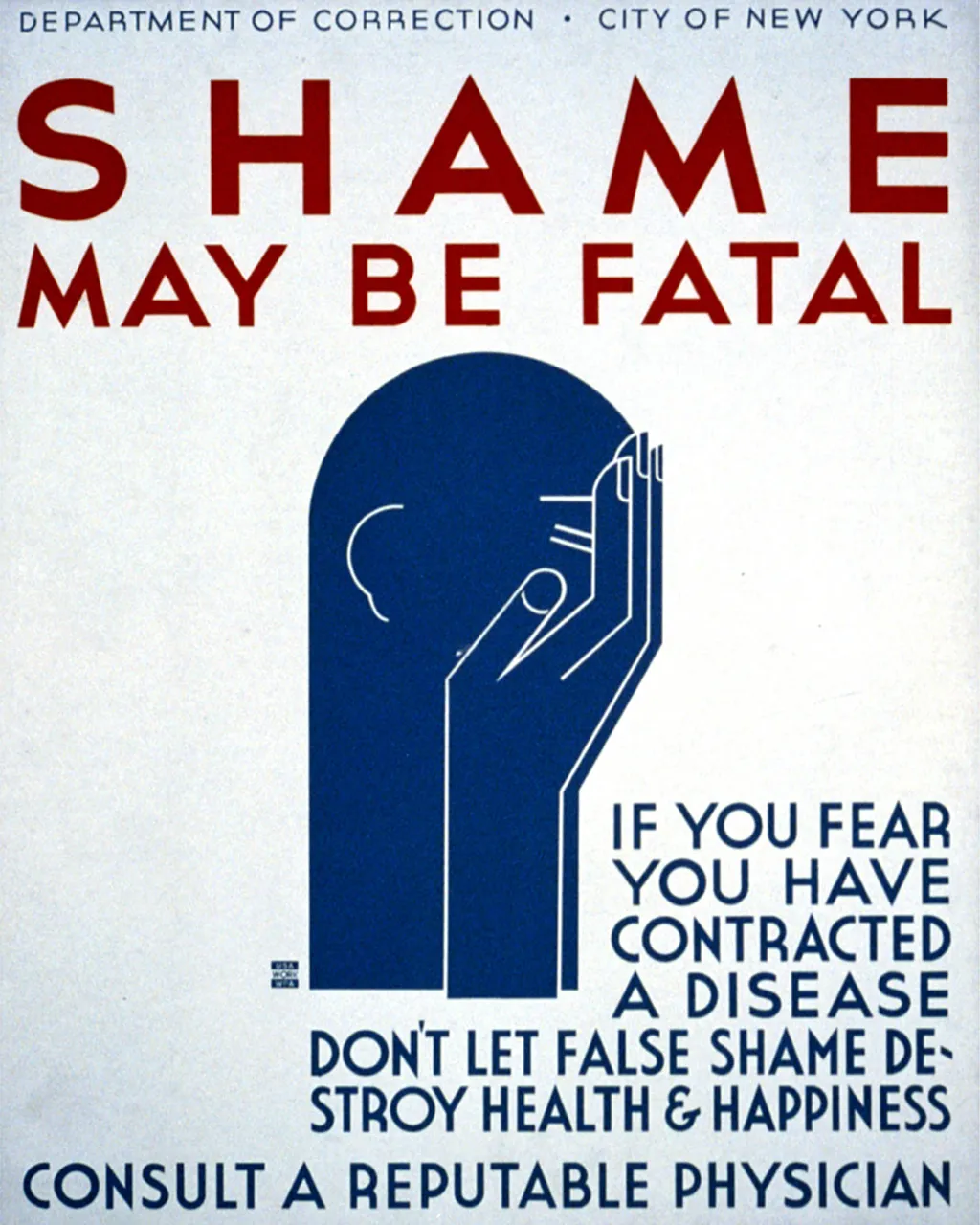
https://ychef.files.bbci.co.uk/1024x1280/p0fzfkjm.webp
And it is not something just happening in the US. There were 7.1 million
new cases of syphilis globally in 2020 according to World Health
Organization data. In 2022, the UK saw syphilis cases reach their
highest level since 1948.
The rise in cases is something sexual health practitioners working on
the frontline have grown familiar with.
"When I first started sexual health nursing in 2005, it was quite rare
to see primary syphilis, even in a city centre clinic," says Jodie
Crossman, chair of STI foundation in the UK, where syphilis rates jumped
8.4% between 2020 and 2021. "Now most city-based clinics will see at
least two or three patients per day attending for treatment."
The infection is caused by a bacterium called Treponema pallidum and
symptoms are divided into four stages. The earliest is characterised by
a painless sore at the site of contact or a rash. An intramuscular dose
of penicillin is considered to be the most effective way of treating the infection. Left untreated, however, syphilis can lead to long-term
neurological and cardiovascular diseases.
Watching the epidemic unfold in the US from across the border in Canada
is Isaac Bogoch, an infectious diseases clinician and researcher at the University of Toronto.
"This is the trend that's being seen in multiple countries around the
world," he says. "It's very concerning because generally, syphilis is
very easy to treat, and treatment is widely available. So, a lot of this
is reflective of a breakdown in public healthcare."
Canada saw an increase of 389% for infectious syphilis, significantly
higher than other STIs, between 2011 and 2019.
Doctors in Mississippi have reported congenital syphilis cases soaring
by 900% over the past five years In recent decades, most cases of
syphilis are among gay, bisexual and other men who have sex with men.
Some parts of the world, however, are seeing a decrease in syphilis
cases among men. Rates of infectious syphilis in Canada decreased among
males, for example. But at the same time there has been a rise in rates
among women not just in Canada but globally, which has led to higher
rates of congenital syphilis in many parts of the world. Across the
Americas as a whole there were 30,000 cases of mother-to-child
transmissions of syphilis in 2021, a figure that health officials
describe as "unacceptably high".
The transmission of syphilis during pregnancy to an unborn child can
have devastating consequences including miscarriage, stillbirth,
premature births, low birth weights and the death of a baby shortly
after birth.
In the US, congenital syphilis rates are soaring. They were 3.5 times
higher in 2020 compared to 2016 and increased again in 2021, resulting
in 220 stillbirths and infant deaths. And the national figures appear to
hide some exceptionally dramatic rises in some parts of the country �
doctors in Mississippi have reported congenital syphilis cases soaring
by 900% over the past five years.
The highest numbers are seen among Black American and Hispanic women.
"That does reflect the underlying inequity and racism we still have in
our public health and medical infrastructure," says Maria Sundaram,
associate research scientist at the Marshfield Clinic Research Institute
in Wisconsin. The most vulnerable groups of women, such as those who
have lost their home or struggle with substance abuse, are also hardest
hit by the disease. And many of these inequalities were exacerbated by
the Covid-19 pandemic around the world.
"The consensus in the public health community is that the rise in STIs including syphilis is likely related to a disruption of STI prevention resources during the pandemic," says Sundaram.
Among the disparities that might be driving this problem are access to
STI testing sites, ongoing stigma around syphilis and possible language barriers. One study in the Brazil found a link between black women who
had low levels of schooling and higher rates of congenital syphilis. In
many cases women struggle to access suitable prenatal care that would
provide screening for syphilis.
Another study in Kern County, California � which in 2018 made up 17% of
the state's congenital syphilis cases despite representing only 2.3% of
the state�s population � identified the role of immigration status,
medical insurance status and sexual or domestic violence in pregnant
women seeking prenatal care. Half of the pregnant or post-partum women interviewed identified as being of Hispanic, Latino or Spanish origin.
A 2020 study of syphilis in Australia saw figures increase by nearly 90%
from recorded rates in 2015. Some 4,000 cases of syphilis were
identified amongst the Aboriginal and Torres Strait Islander communities
which make up just 3.8% of the total Australian population. And whilst a national test and treat response plan came into play to stabilise the
epidemic, experts say reducing levels to pre-outbreak figures requires a
much higher level of community wide testing. Again, there have been
particular problems with expectant mothers accessing prenatal screening
for syphilis in parts of the country.
But whilst the cost-of-living crisis and the pandemic have impacted
public healthcare resources, there have also been changes in human
behaviour and attitudes towards STIs.
"In the mid-1990s, with the advent of anti-retroviral therapy for HIV
there was a big change," says Mena. "Now, thanks to the advances in the prevention and treatment of HIV infection, HIV is seen as a chronic
disease. The risk of HIV infection is no longer an incentive for people
to use condoms or to adopt other prevention strategies against STIs."
A change in sexual practice is an area researchers in Japan have been
studying by looking at the link between dating apps and cases of
syphilis. They concluded that dating app use was "significantly
associated with syphilis incidence,� linking the use of the apps to a
higher incidence of unprotected casual sex.
This is something which Sasaki Chiwawa, who writes about Japanese youth
culture and sex work, also found in her conversations with sex workers.
Chiwawa says more and more sex workers are not using condoms and there
is no obligation on the part of customers to be tested for STIs. Should
sex workers contract an infection, they tend to put it down to "bad
luck," says Chiwawa. "Most of them prioritise making money over the
risk."
For most health officials, the path to tackle syphilis is clear � we
already have the drugs to combat it as penicillin still remains the best treatment despite a rising incidence of antibiotic resistance. More
testing, better outreach to counter the stigma attached to the disease
along with greater public awareness to encourage safer sexual practices
all have a much bigger role to play.
"We are social creatures, so there should be no more shame in an STI
diagnosis than catching a cold," says Crossman. "We are trying to change
the focus of STI testing from something scary and judgemental to
something that is part of sexual wellbeing � an important part of having
a safe and enjoyable sex life."
But scientists have so far failed to arrive at a single theory on is why syphilis is rising faster than other STIs. There is no strong evidence
to suggest that the strains in circulation have become any more
virulent, says Mena. Antibiotic resistance is also not prevalent enough
to explain the spikes, says Bogoch.
For his part, Tushar continues to get tested every three months.
"We should be comfortable talking about syphilis," he says. "So called well-informed people turn to accusations as opposed to thinking about it scientifically. We are having sex � stuff happens."
https://www.bbc.com/future/article/20230706-the-troubling-rise-in-congeni tal-syphilis
--- SoupGate-Win32 v1.05
* Origin: fsxNet Usenet Gateway (21:1/5)